
Solid Hardwood Flooring
Solid hardwood flooring brings natural oak grain and substantial wood construction to interiors, with grades and widths to compare.
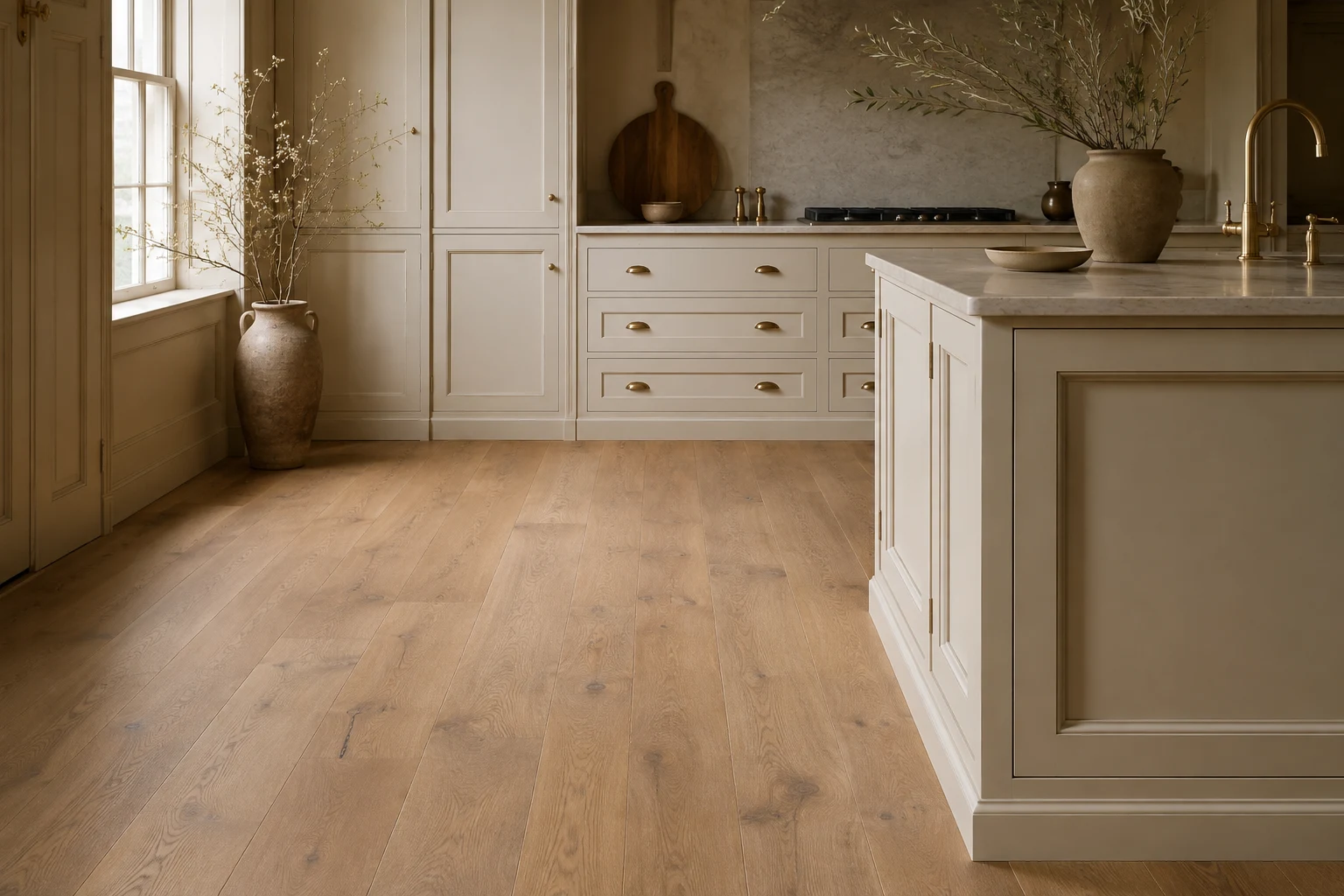
Shop by Material
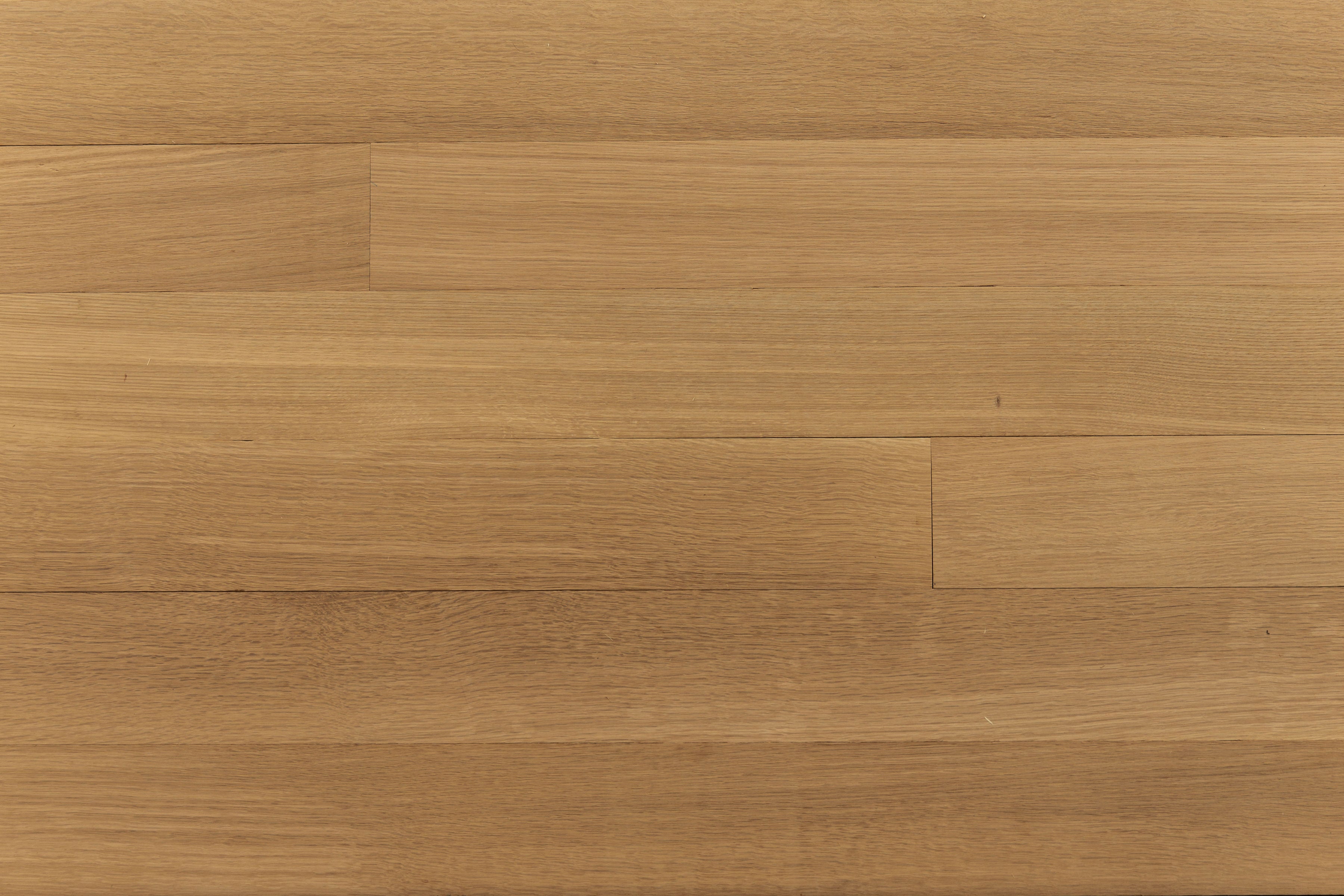
Solid 3/4-inch white oak with multiple grades and grain patterns, ready for a carefully chosen site-applied finish.
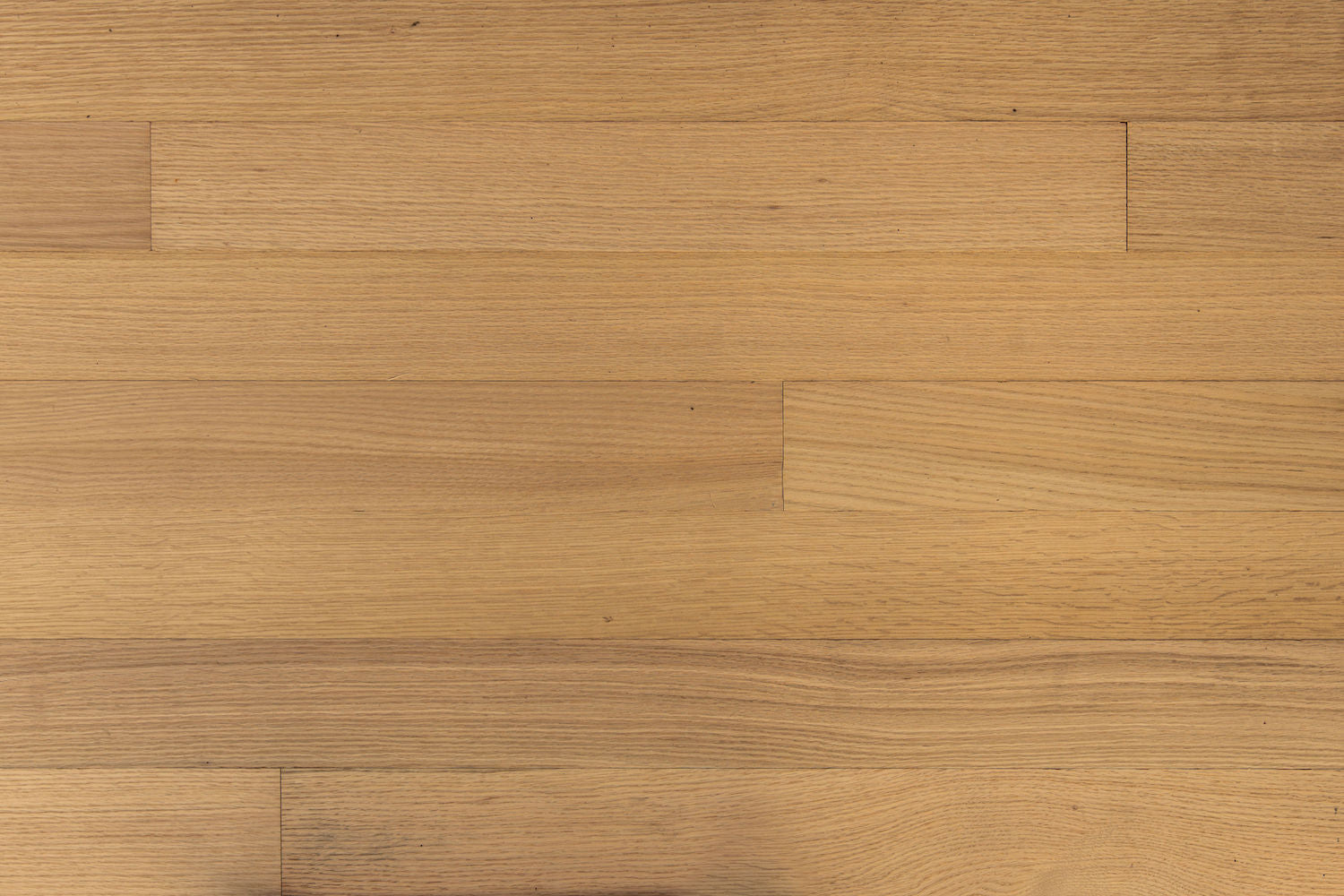
Solid 3/4-inch red oak with expressive grain, varied grades, and options for a coordinated unfinished flooring project.
Choosing solid hardwood flooring
A solid hardwood board is wood through its thickness, making species and milling central to the specification. The two oak families shown here are published as 3/4-inch solid samples, but they differ in appearance and available grade selections. Choose the species before trying to match a stain. White oak and red oak should not be treated as interchangeable simply because both belong to the same familiar flooring category.
Solid wood needs a suitable installation environment. Have the installer review the subfloor, moisture conditions, floor height, and the manufacturer's approved fastening or adhesive approach. An unfinished order also needs a clear sanding and coating schedule. Where new flooring joins an older installation, check the actual profile and usable thickness rather than selecting only by the nominal size on the label.
Questions before you choose
What makes flooring solid hardwood?
The board is wood through its thickness rather than a wood face bonded over a layered supporting core.
Is 3/4 inch the final installed height?
No. The board thickness is only one part of the assembly. Preparation, adhesive or underlayment, and adjoining surfaces affect the final height.
Can solid oak match an older floor?
It may, but matching requires checking species, width, milling, grade, grain, and finish as well as thickness.
Does solid hardwood work in every room?
No. Room moisture and the manufacturer's approved applications matter. Do not assume a wet or below-grade location is suitable.
What does an unfinished order require?
The project needs a compatible on-site sanding, staining if desired, coating, and curing plan.
Are common grades lower quality installation products?
Grades describe allowed appearance characteristics. Read the manufacturer's definition and choose the visual range you want.
How should I compare quotes for solid wood?
Match species, grade, cut, dimensions, length distribution, quantity, finish scope, trim, and freight before comparing totals.