
Home Office Flooring
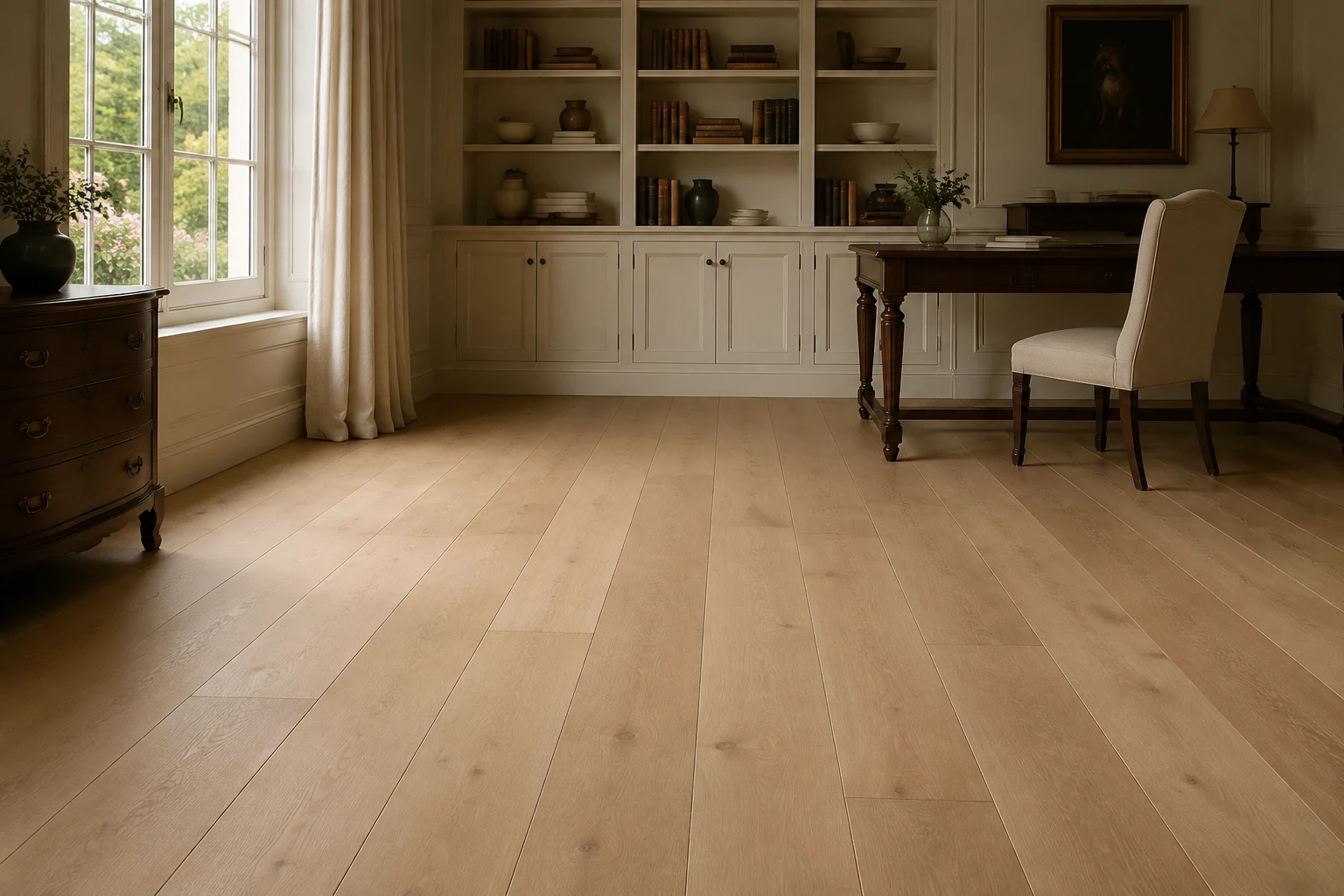
Home office flooring combines natural wood character with thoughtful protection for rolling chairs, desk layouts, and everyday work routines.
Filters
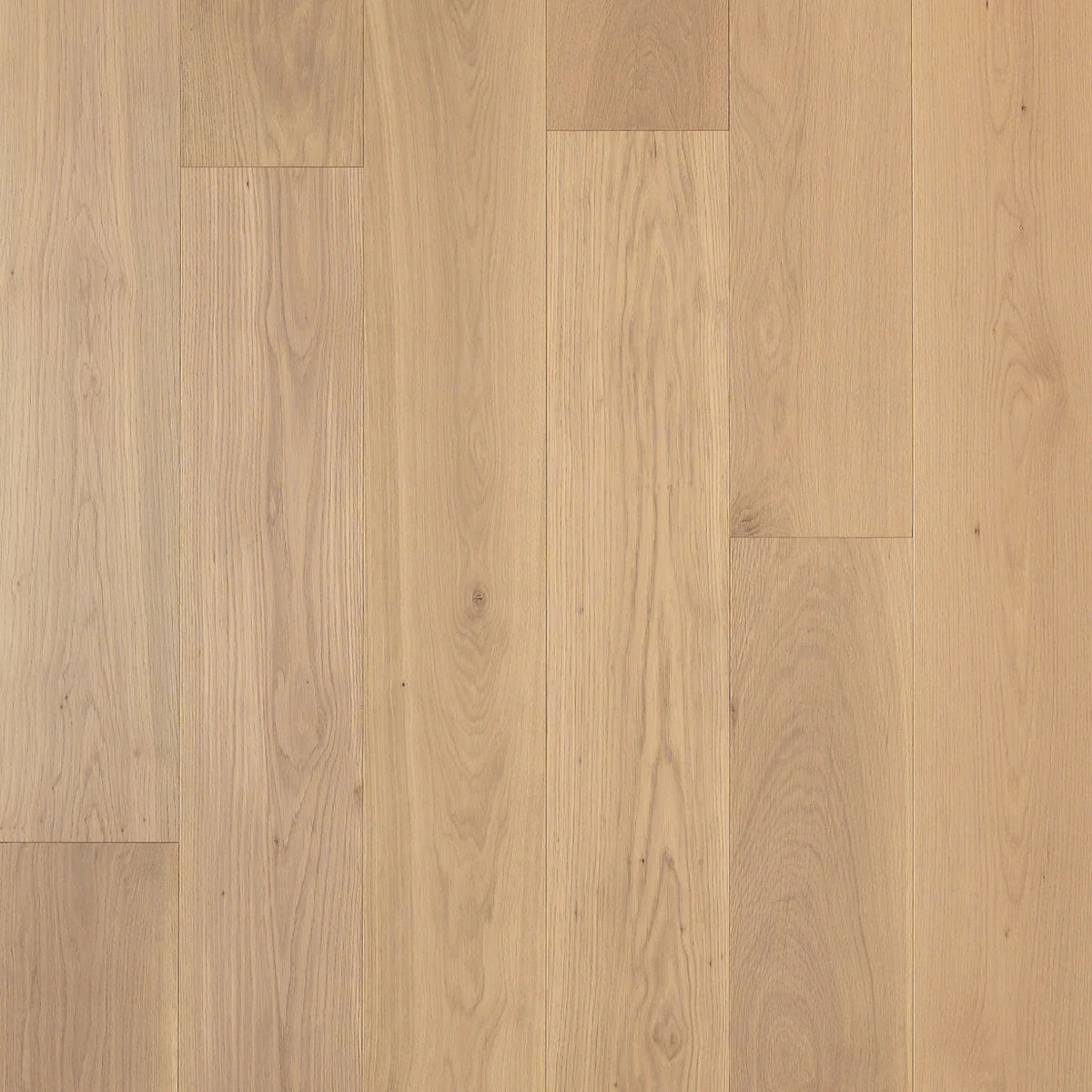
Shop Ironhold prefinished engineered hardwood at $7.29 per square foot. Compare specifications, pallet coverage, and delivery terms.
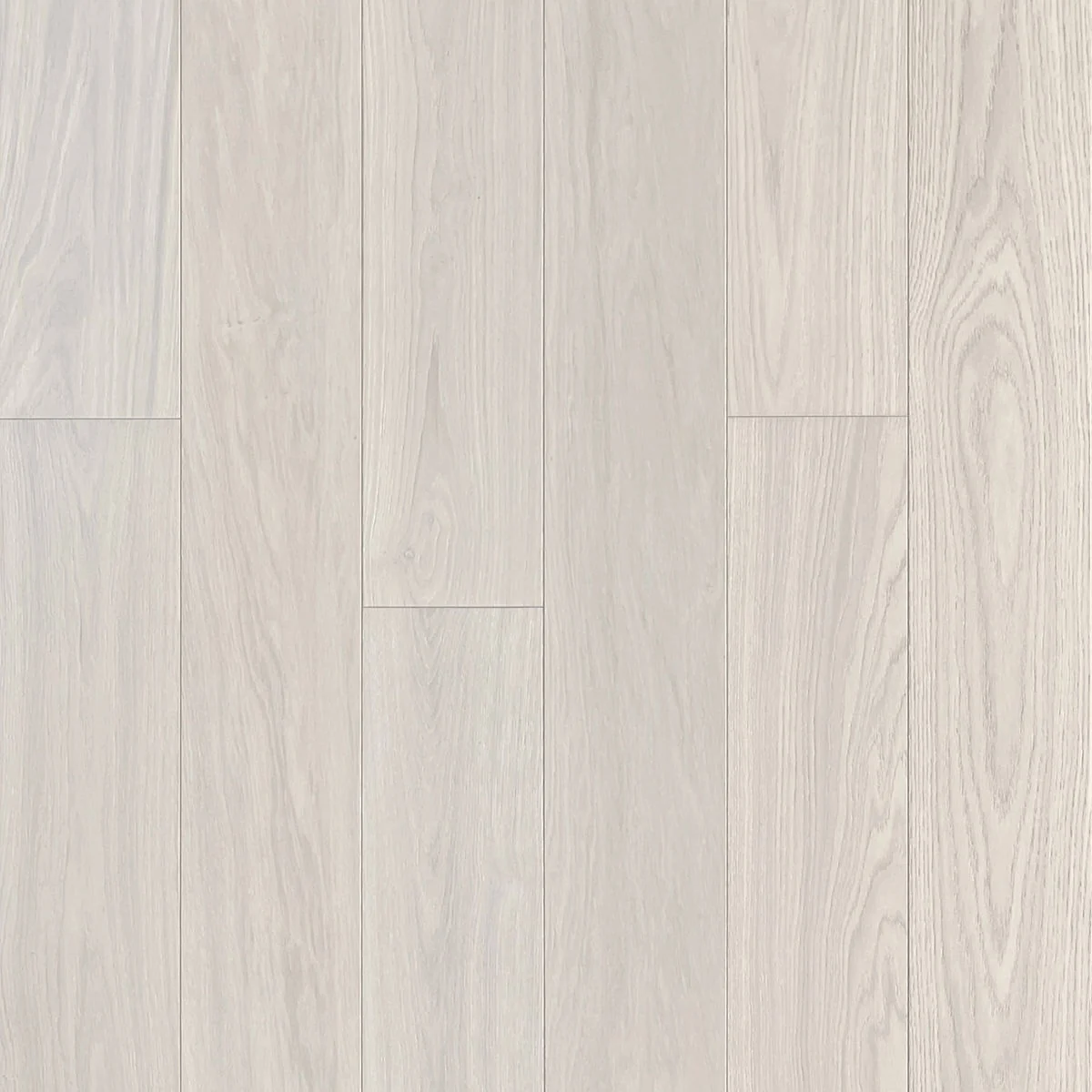
Shop Winterfield prefinished engineered hardwood at $7.29 per square foot. Compare specifications, pallet coverage, and delivery terms.

Shop Falcon-Keep prefinished engineered hardwood at $7.29 per square foot. Compare specifications, pallet coverage, and delivery terms.
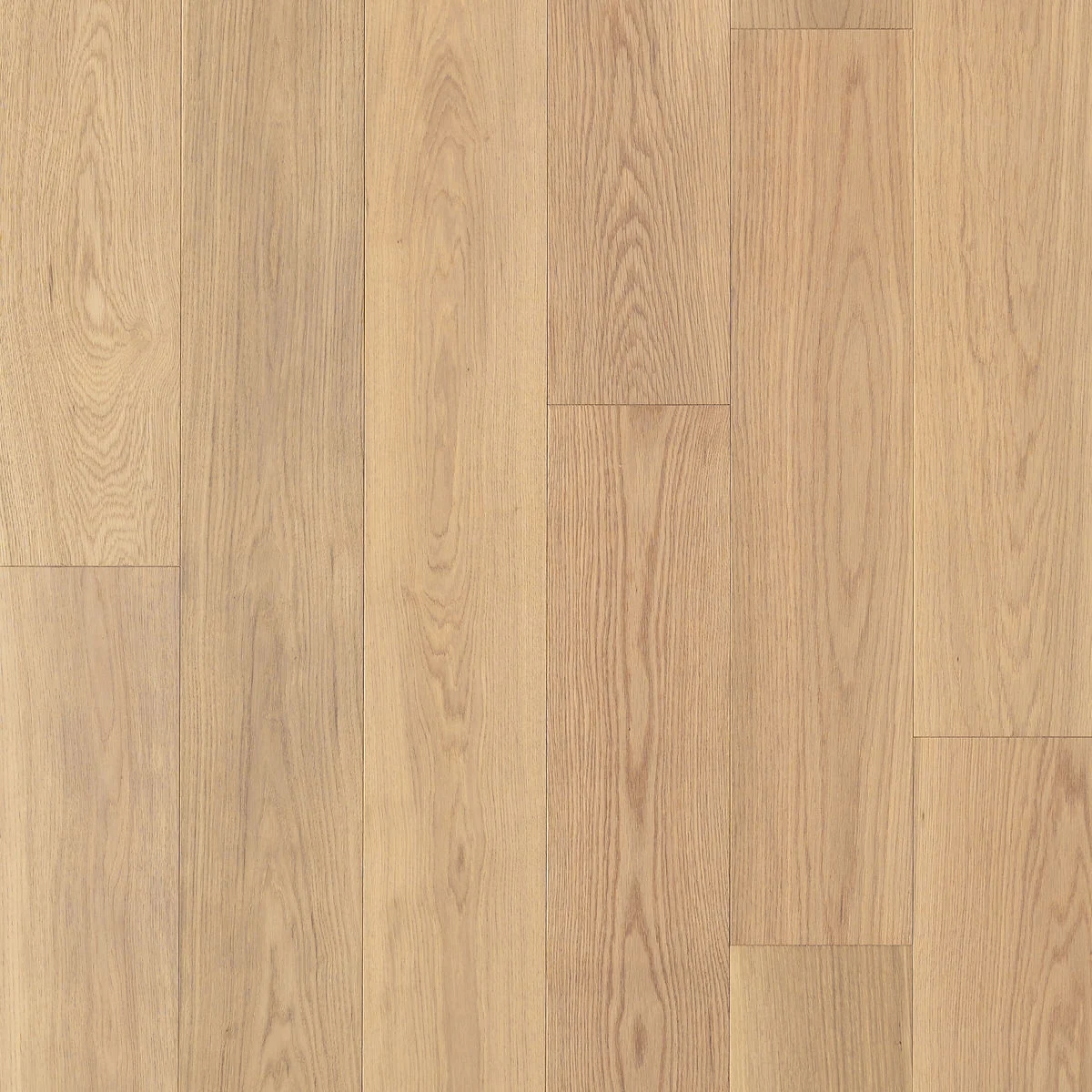
Shop Ironhold-S prefinished engineered hardwood at $6.99 per square foot. Compare specifications, pallet coverage, and delivery terms.
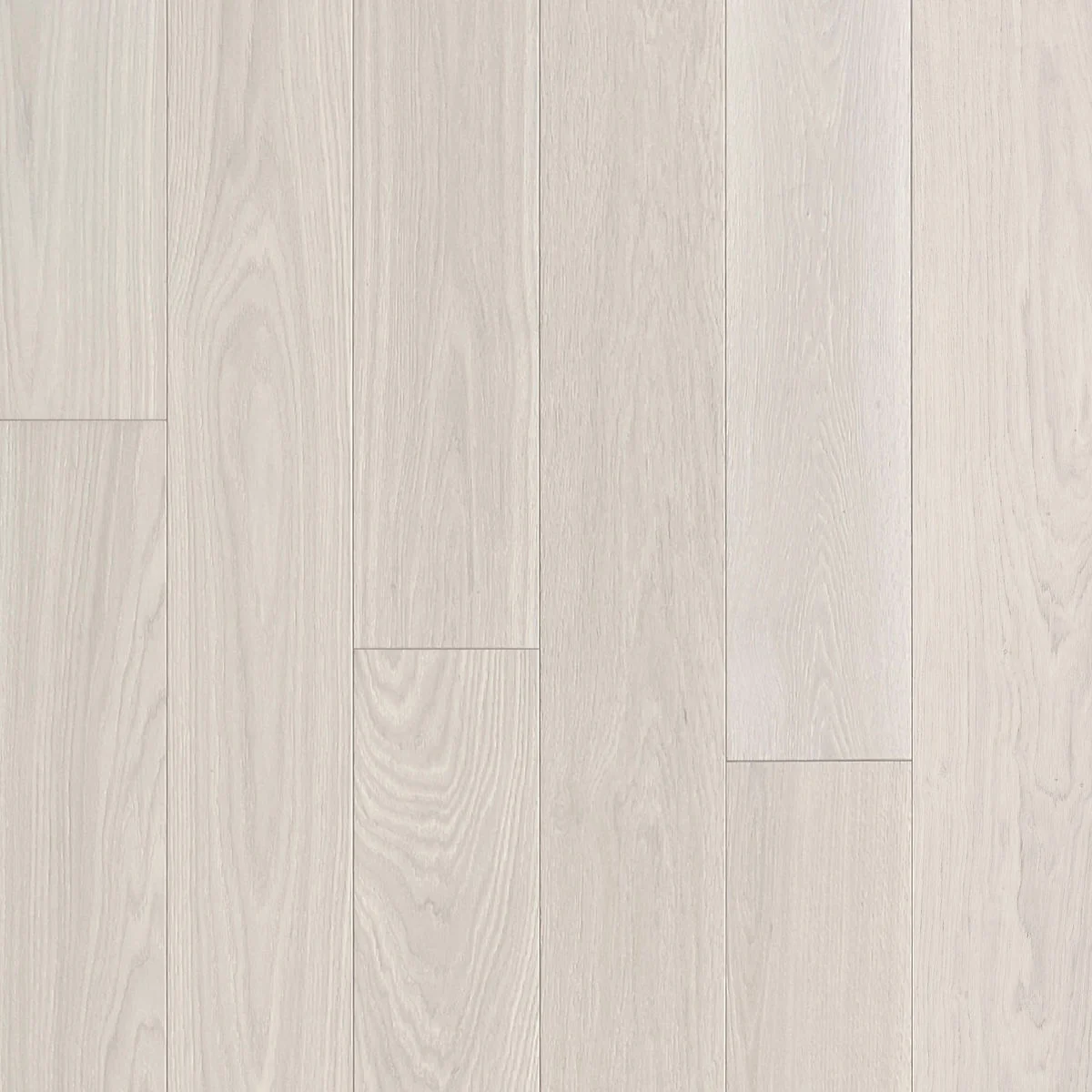
Shop Winterfield-S prefinished engineered hardwood at $6.99 per square foot. Compare specifications, pallet coverage, and delivery terms.
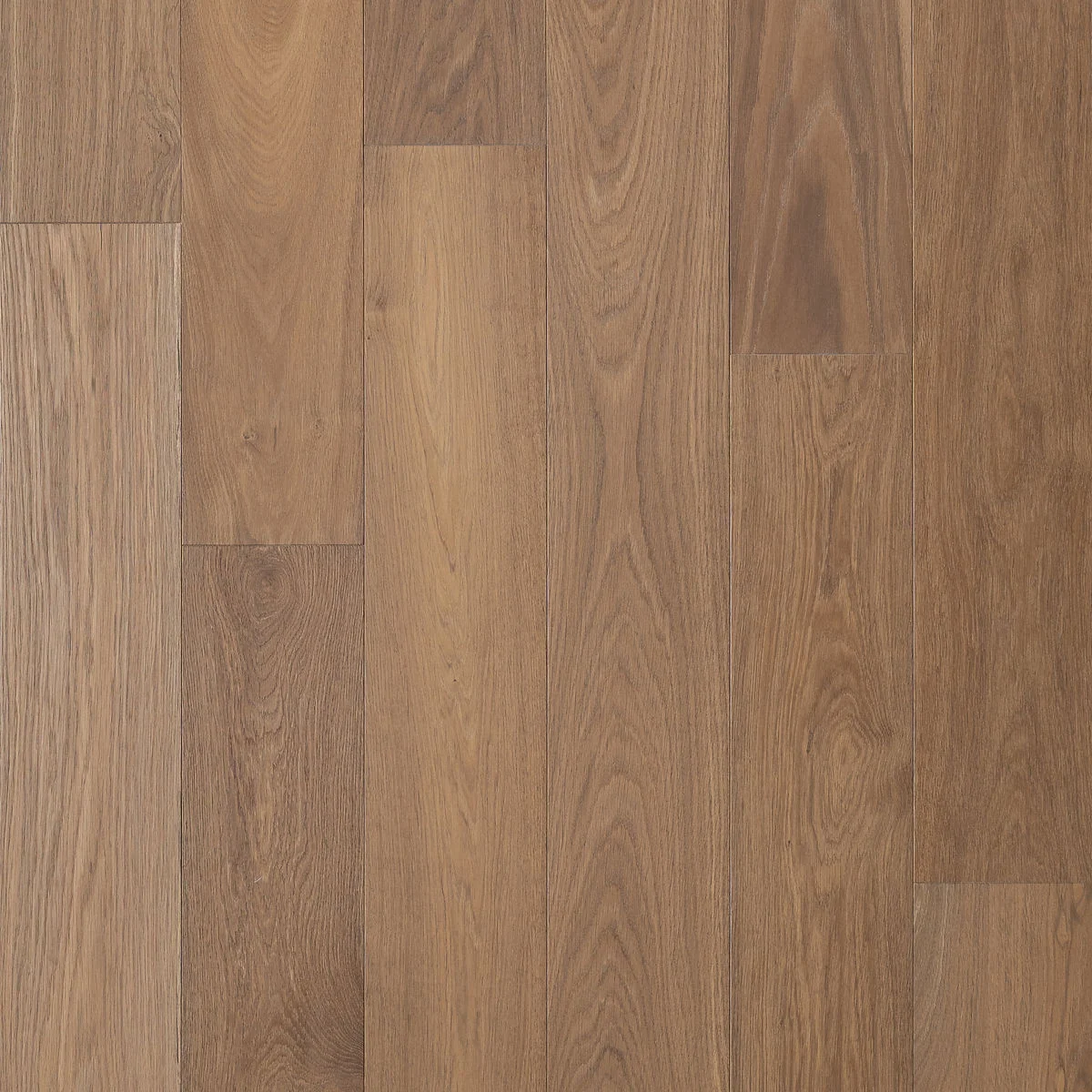
Shop Ravenwood-S prefinished engineered hardwood at $6.99 per square foot. Compare specifications, pallet coverage, and delivery terms.
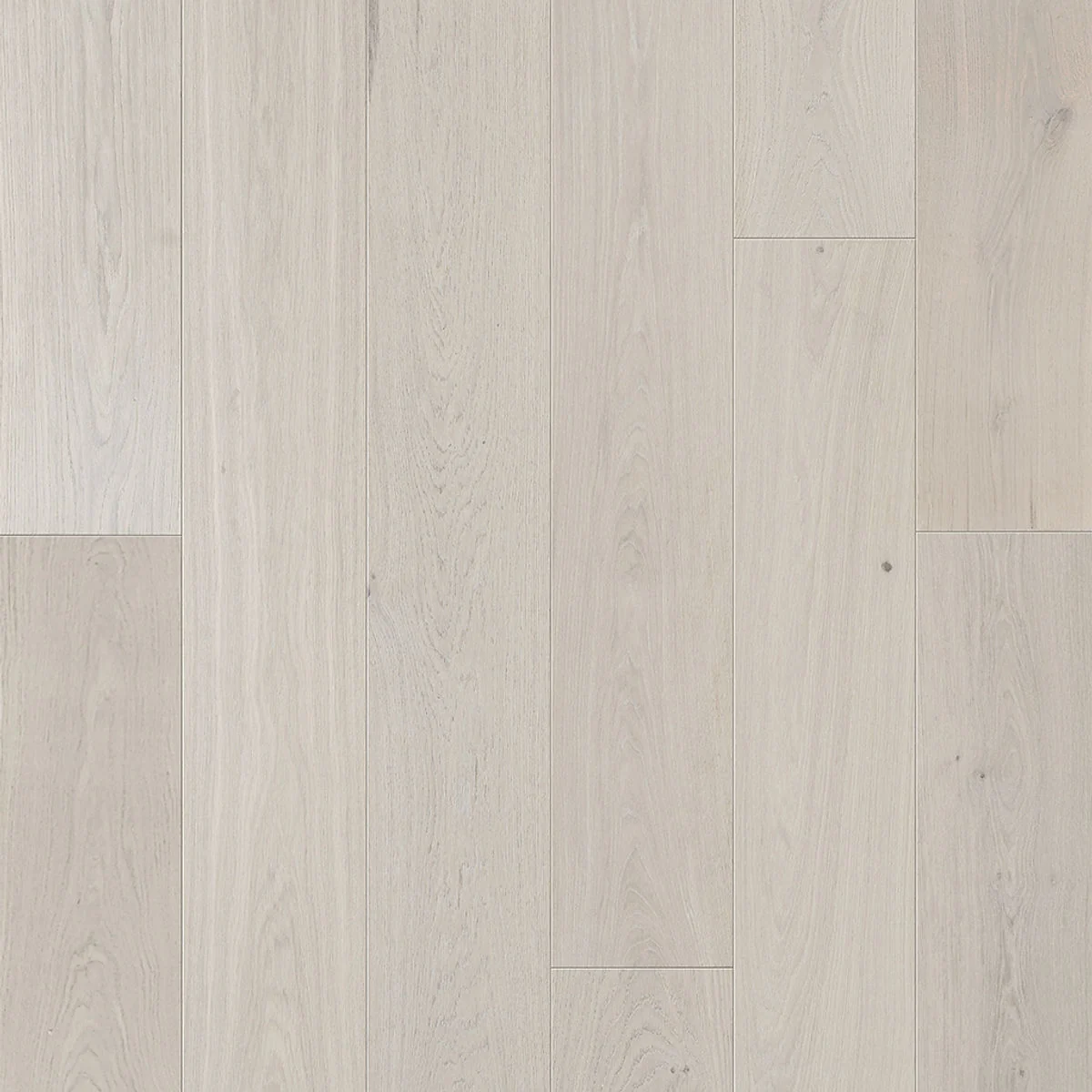
Shop Stonehaven prefinished engineered hardwood at $6.79 per square foot. Compare specifications, pallet coverage, and delivery terms.
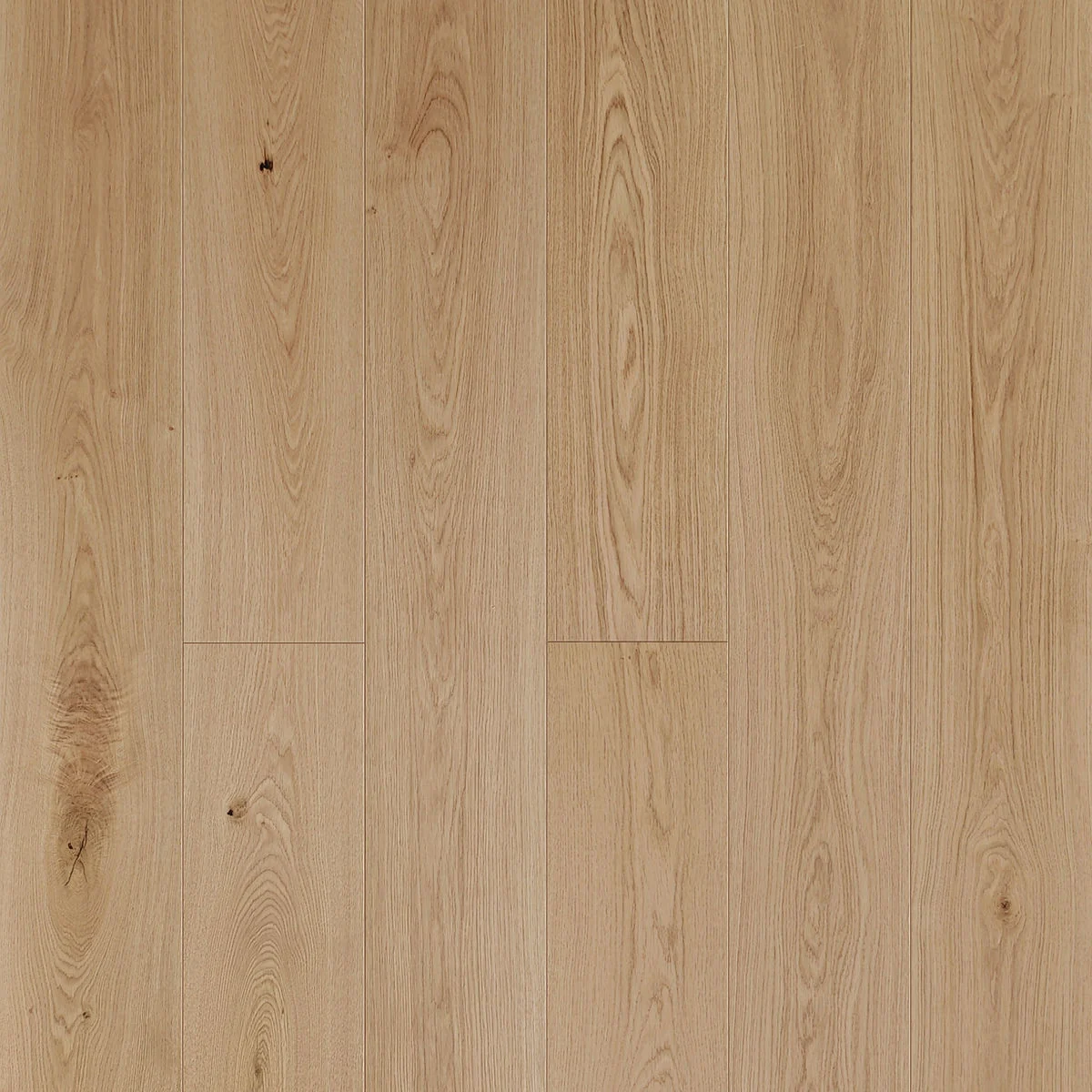
Shop Dragonridge prefinished engineered hardwood at $6.79 per square foot. Compare specifications, pallet coverage, and delivery terms.
Build a calm place to work
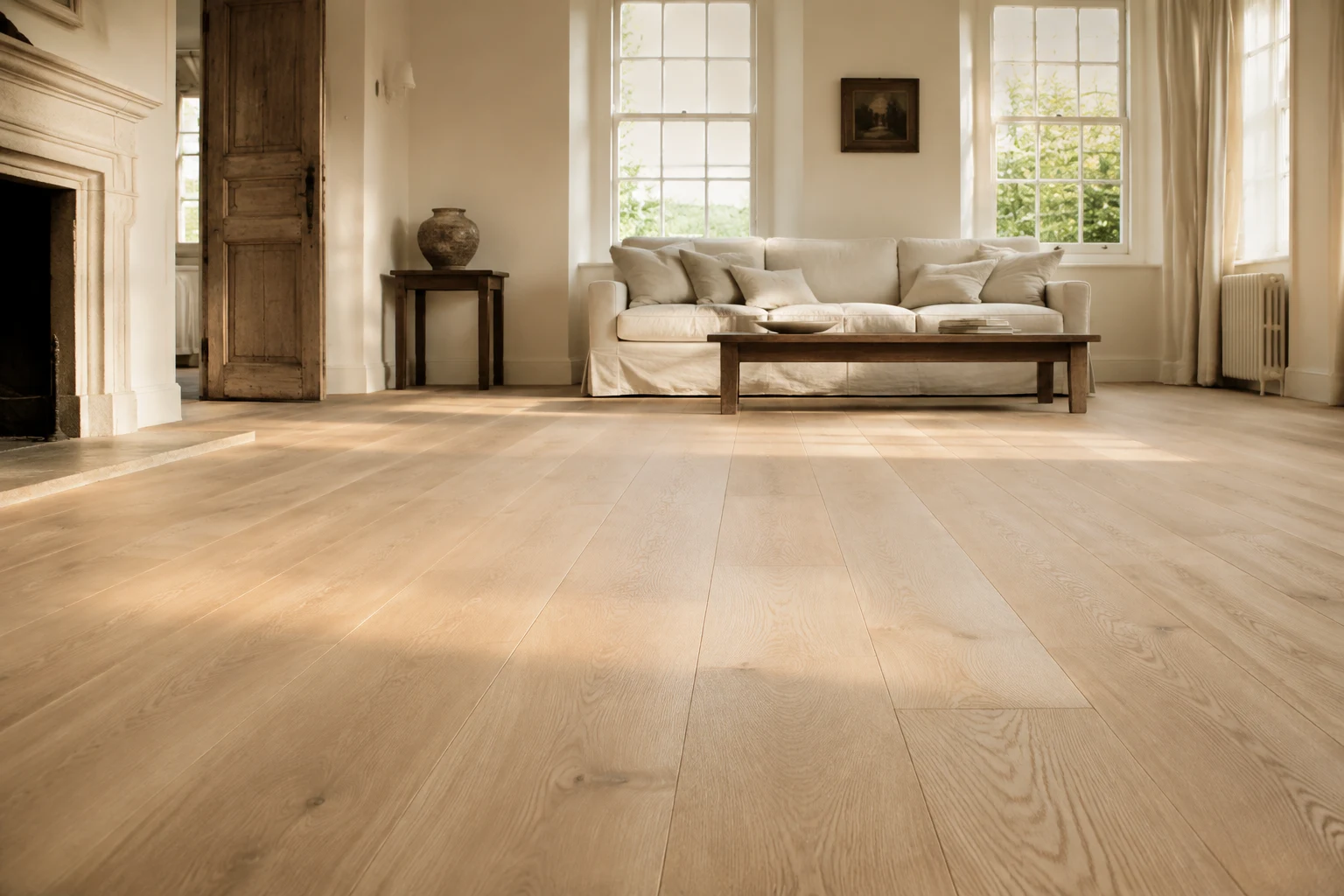
A home office floor becomes part of the room's daily working environment. Natural wood can bring warmth to painted storage, metal desk details, and a restrained backdrop, while grain and board proportions help establish the room's visual rhythm. Compare samples beside the desk and shelving you plan to keep. Look at the floor from the seated position as well as the doorway, since changing light and reflections can be more noticeable during a long working day.
Choose the species and appearance you enjoy, then check the actual construction against the subfloor and installation requirements. Solid and engineered boards should be compared as complete products rather than assumed equivalent because a sample has a similar tone.
Take rolling chairs seriously
Repeated chair movement concentrates wear in a small area. Ask the coating manufacturer about suitable chair protection and mat materials, and keep grit from collecting beneath them. A chair mat should not be assumed compatible simply because it is clear or marketed for hard floors. Its backing, trapped debris, and moisture behavior can all matter.
Heavy desks and storage also deserve attention when the room is arranged. Move them with suitable protection and follow the installation system's guidance around fixed furniture. Resolve cable routes and thresholds before the floor is finished so later changes do not damage an otherwise completed surface.
Consider sound and connected rooms
In an upstairs office or a shared building, acoustic requirements may influence the complete floor assembly. An underlayment must be approved for the chosen product and method; an unverified extra layer is not automatically an improvement. Check the transition to a hallway or adjoining room and keep the product documentation with the project records for maintenance and future alterations.
Can a rolling office chair damage hardwood?
Repeated rolling and trapped grit can wear a finish. Use chair protection recommended for the specific coating and keep the area clean.
Is any clear chair mat suitable?
No. Confirm backing and material compatibility with the floor finish, and prevent debris or moisture from remaining underneath.
Does engineered construction make a floor scratch-proof?
No. Construction and surface wear are different issues. The coating, use, and care affect the visible surface.
Can I use underlayment to reduce sound?
Use only an approved assembly that meets any applicable building requirements. Check compatibility with the flooring and installation method.
Should I install the floor before built-in desks?
Coordinate the sequence with the installer and follow the flooring system's requirements around fixed furniture.
How do I choose a finish for a bright office?
Compare samples under daylight and task lighting from your seated position to evaluate color and reflections.
What should I include in an office flooring brief?
Include area, subfloor, desk and storage layout, rolling-chair use, acoustic requirements, transitions, and preferred material.
 Login / Sign Up