
Bedroom Flooring
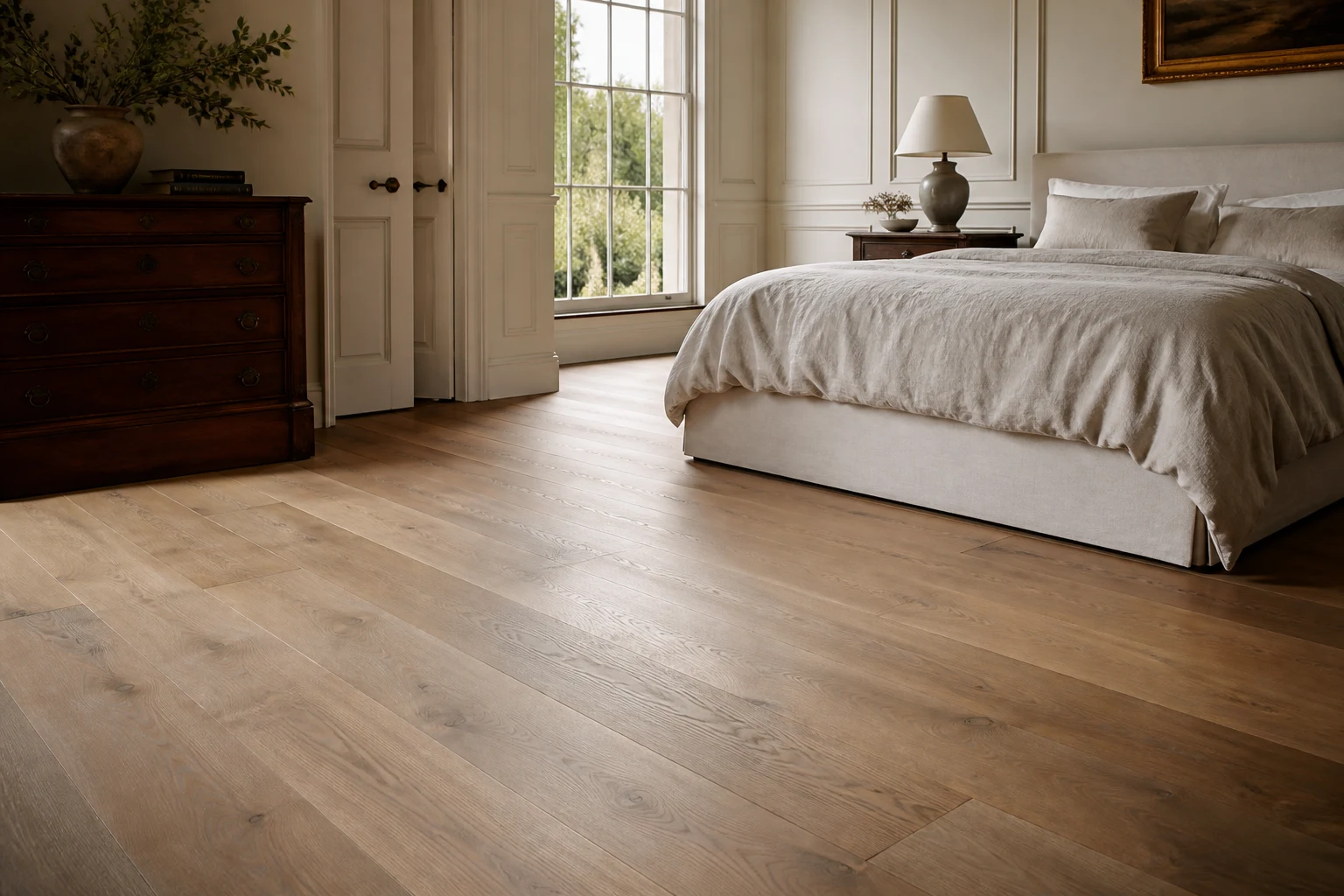
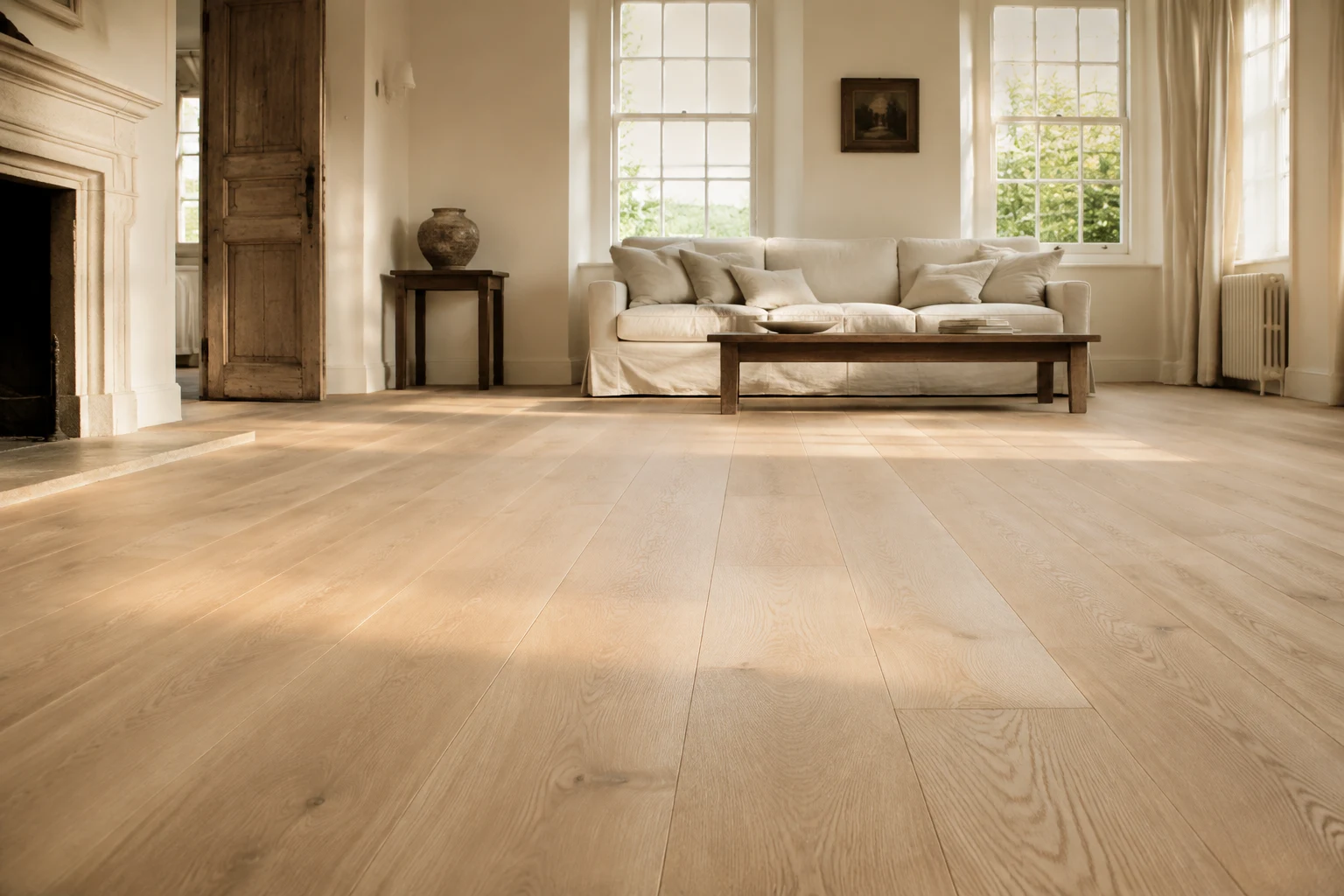
Bedroom flooring brings warmth and quiet character through natural hardwood, soft-looking finishes, and proportions that complement restful interiors.
Filters
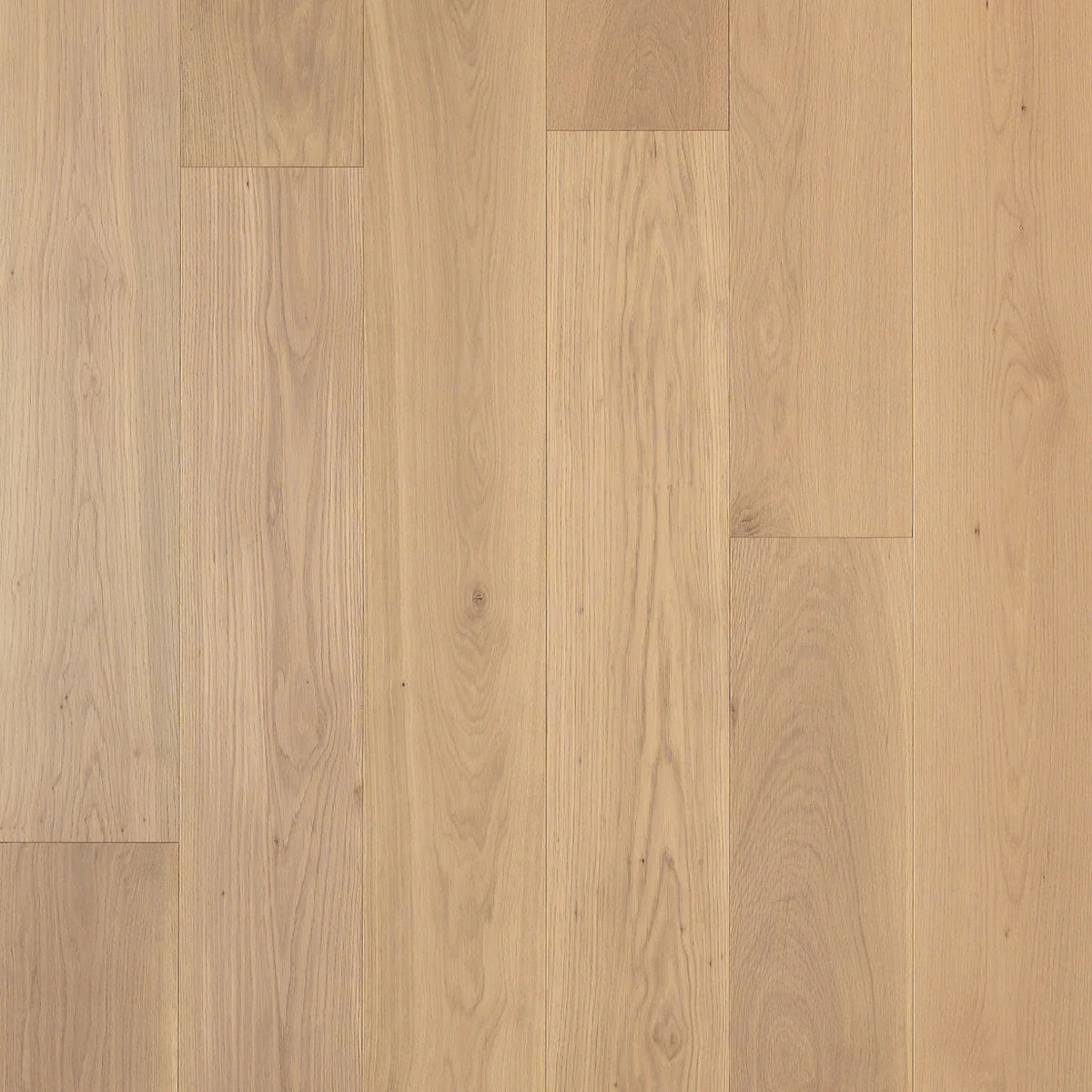
Shop Ironhold prefinished engineered hardwood at $7.29 per square foot. Compare specifications, pallet coverage, and delivery terms.
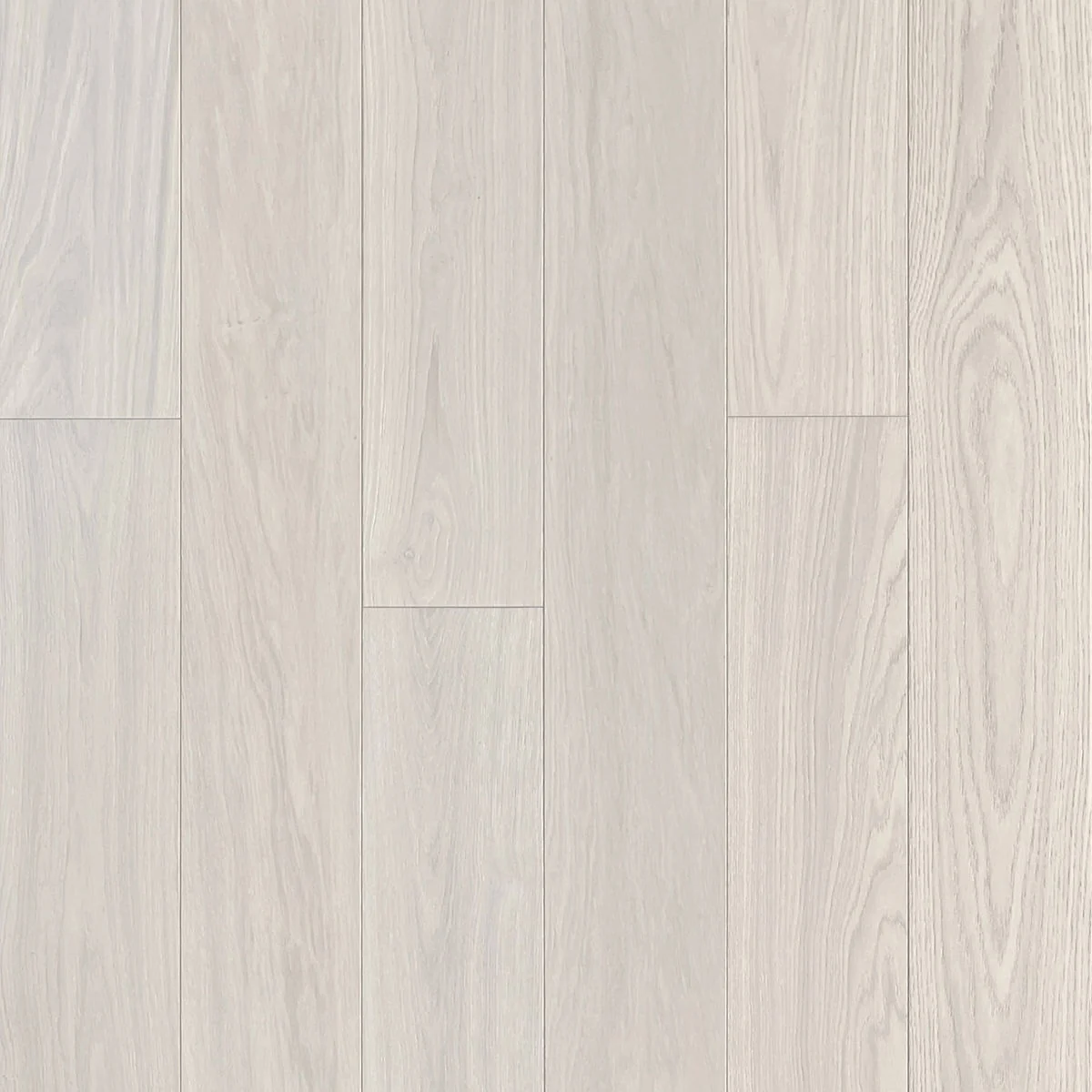
Shop Winterfield prefinished engineered hardwood at $7.29 per square foot. Compare specifications, pallet coverage, and delivery terms.

Shop Falcon-Keep prefinished engineered hardwood at $7.29 per square foot. Compare specifications, pallet coverage, and delivery terms.
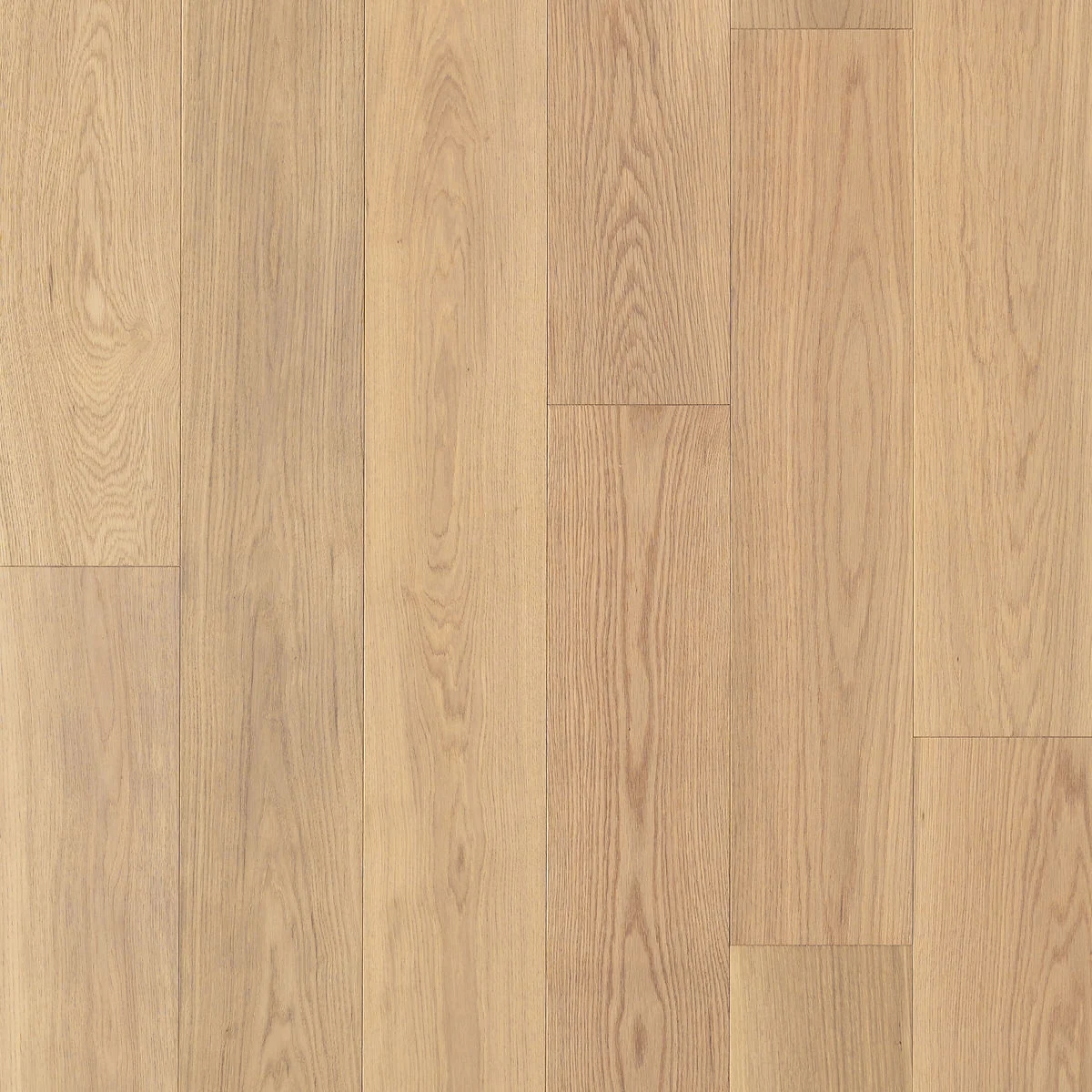
Shop Ironhold-S prefinished engineered hardwood at $6.99 per square foot. Compare specifications, pallet coverage, and delivery terms.
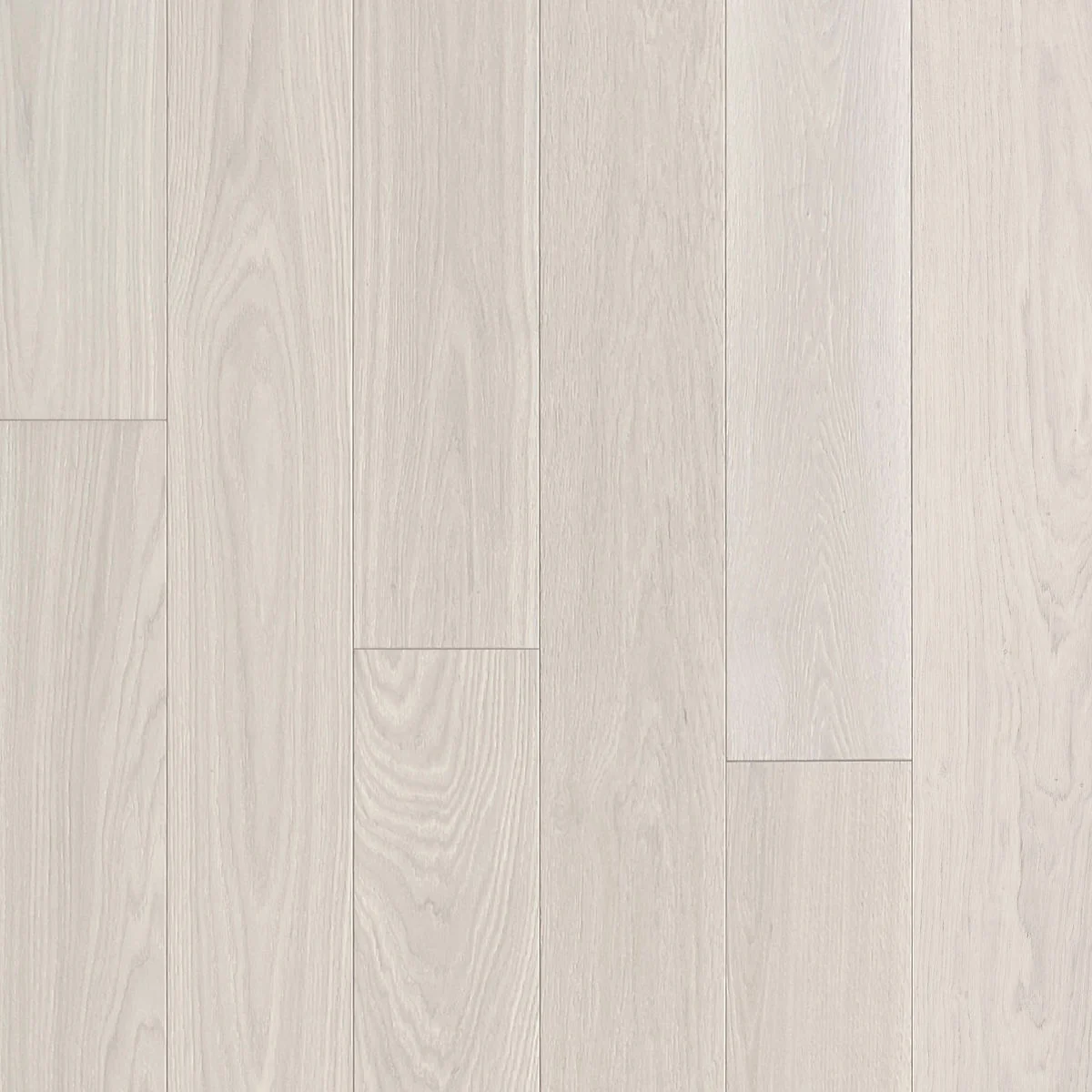
Shop Winterfield-S prefinished engineered hardwood at $6.99 per square foot. Compare specifications, pallet coverage, and delivery terms.
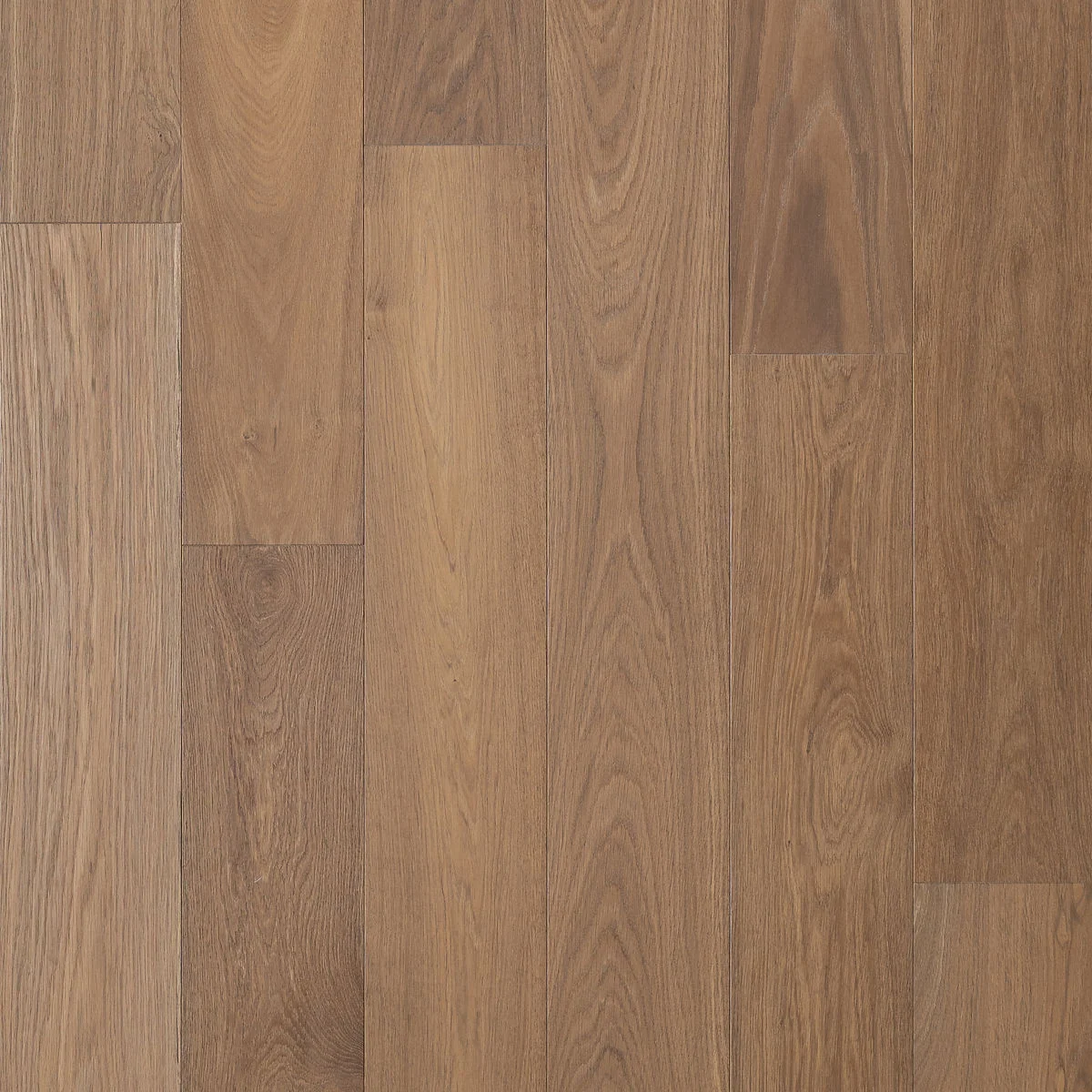
Shop Ravenwood-S prefinished engineered hardwood at $6.99 per square foot. Compare specifications, pallet coverage, and delivery terms.
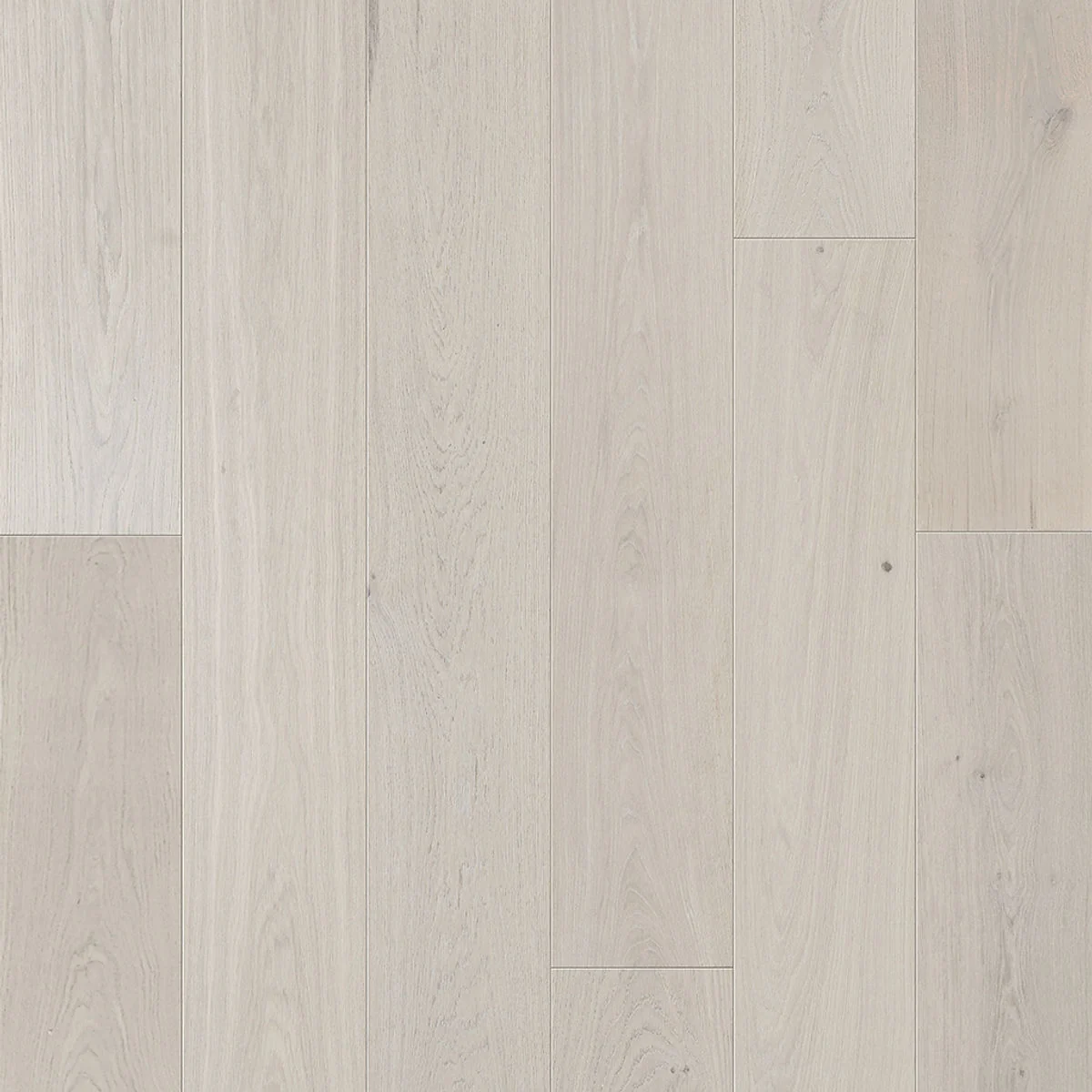
Shop Stonehaven prefinished engineered hardwood at $6.79 per square foot. Compare specifications, pallet coverage, and delivery terms.
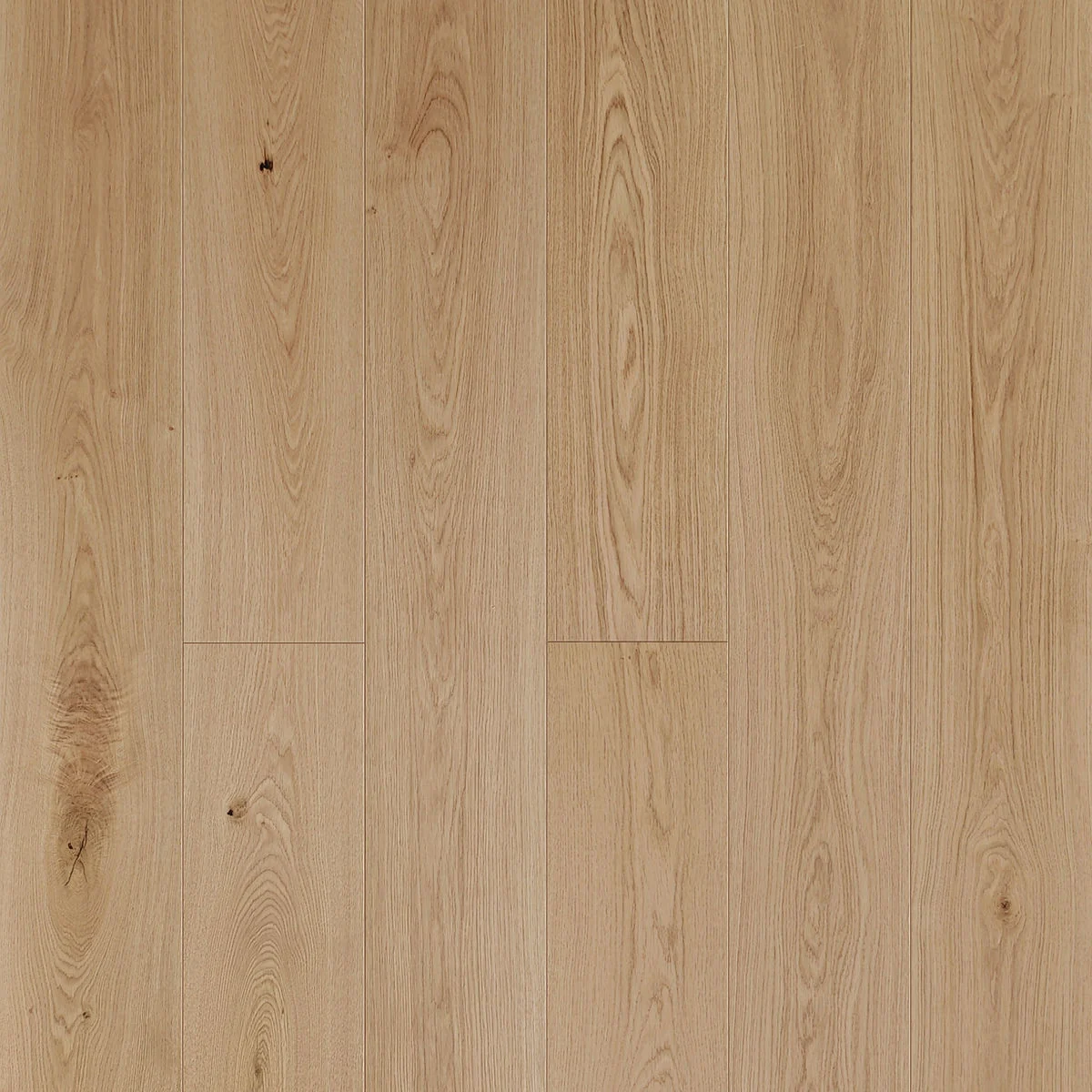
Shop Dragonridge prefinished engineered hardwood at $6.79 per square foot. Compare specifications, pallet coverage, and delivery terms.
Create a quieter visual foundation
A bedroom is a good place to consider how subtle material differences change the mood of a room. A restrained grain mix can sit quietly beneath patterned bedding, while richer natural character can add warmth to simple furniture and pale walls. Look at the floor with the materials that surround the bed, including curtains, bedside furniture, and rugs. The most useful sample is the one you can leave in the room long enough to see under morning and evening light.
Compare the scale of the boards against the room's proportions. Width alone does not determine quality or comfort. A narrow room with several doorways may produce a different cutting pattern from a broad, open bedroom, even when the same plank is used. Ask the installer to show how the layout will meet closets and the main entry.
Consider what is below the room
For an upstairs bedroom, sound transmission and the existing floor structure may be part of the specification. Underlayment must be compatible with the product and installation method, and a building may have its own acoustic requirements. Do not choose a generic pad only because it is advertised as quiet. The complete tested assembly matters.
Check floor height at the hallway and any adjoining bathroom. If a threshold is needed, coordinate its profile and appearance early. A wood bedroom floor should not automatically extend into a wet room simply to avoid a visual break.
Finish the room with care
Use suitable furniture pads, protect the surface while moving a bed, and check the compatibility of rug backing with the coating. Follow the finish-specific cleaning directions. Keep the actual floor specification and approved sample details for future repairs, especially when a bedroom is only the first stage of a larger renovation.
Is hardwood cold underfoot in a bedroom?
Perceived comfort depends on room temperature, the floor assembly, and personal preference. A compatible rug can add a softer landing beside the bed.
Can I add acoustic underlayment?
Only if it is approved for the flooring and installation system. Check any building-specific acoustic requirements as well.
Should I choose a low-sheen finish?
Compare physical samples in the room. Sheen is a visual and maintenance choice, not a universal indicator of product quality.
Can bedroom flooring continue into a bathroom?
Do not assume the same hardwood is suitable for a wet room. Confirm the separate application and transition requirements.
Do closets need the same flooring?
That is a project choice. Include them in the measurement and layout if you want a continuous finish.
Will a large bed hide most color variation?
Furniture covers some area, but exposed walkways still show the wood's variation. Choose a grade you like across the visible floor.
How should I protect the floor when moving furniture?
Lift heavy pieces where practical and use appropriate protection. Avoid dragging furniture across the coating.
 Login / Sign Up