
Living Room Flooring
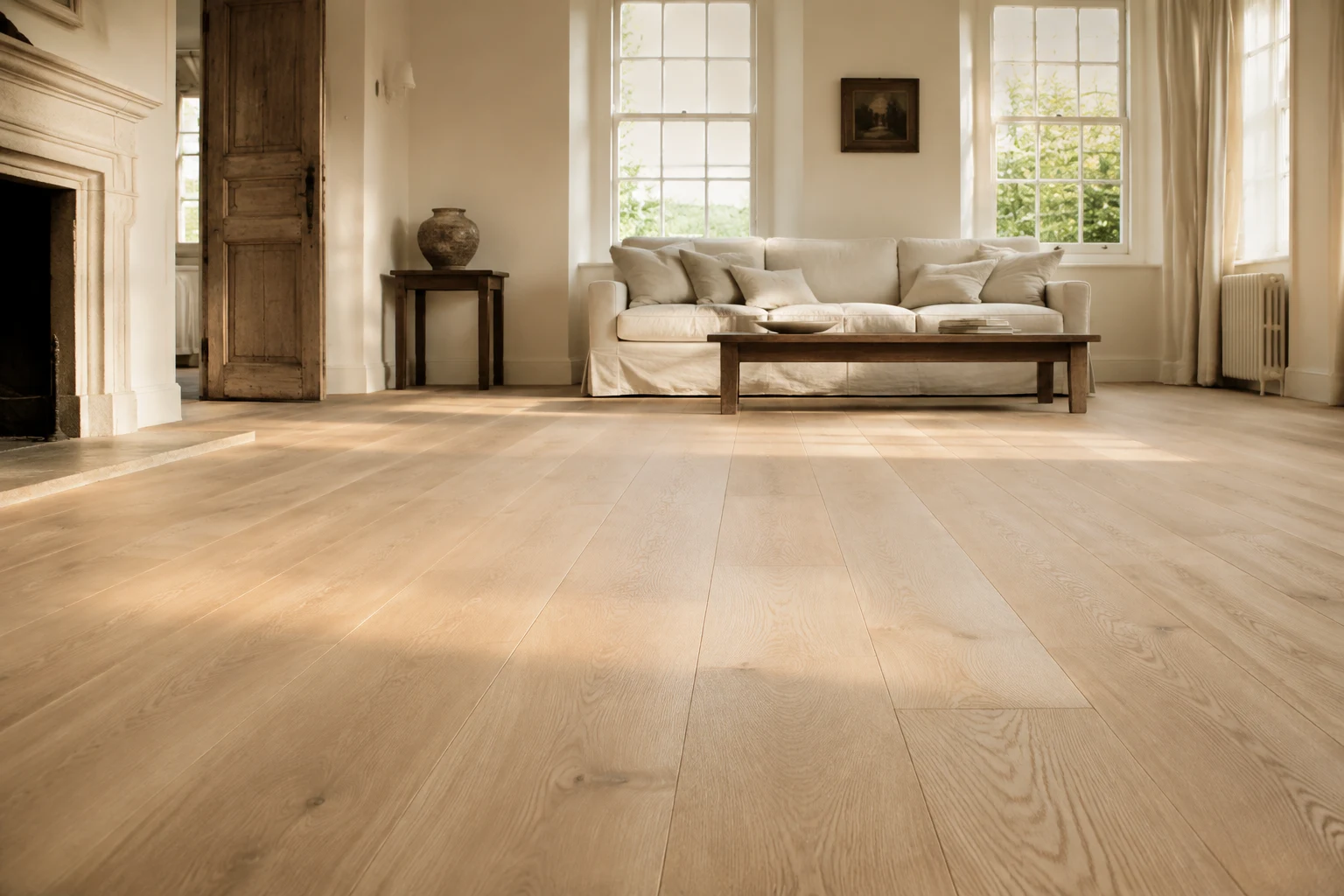
Living room flooring sets a welcoming foundation with hardwood planks, natural oak grain, and patterns suited to shared spaces.
Filters
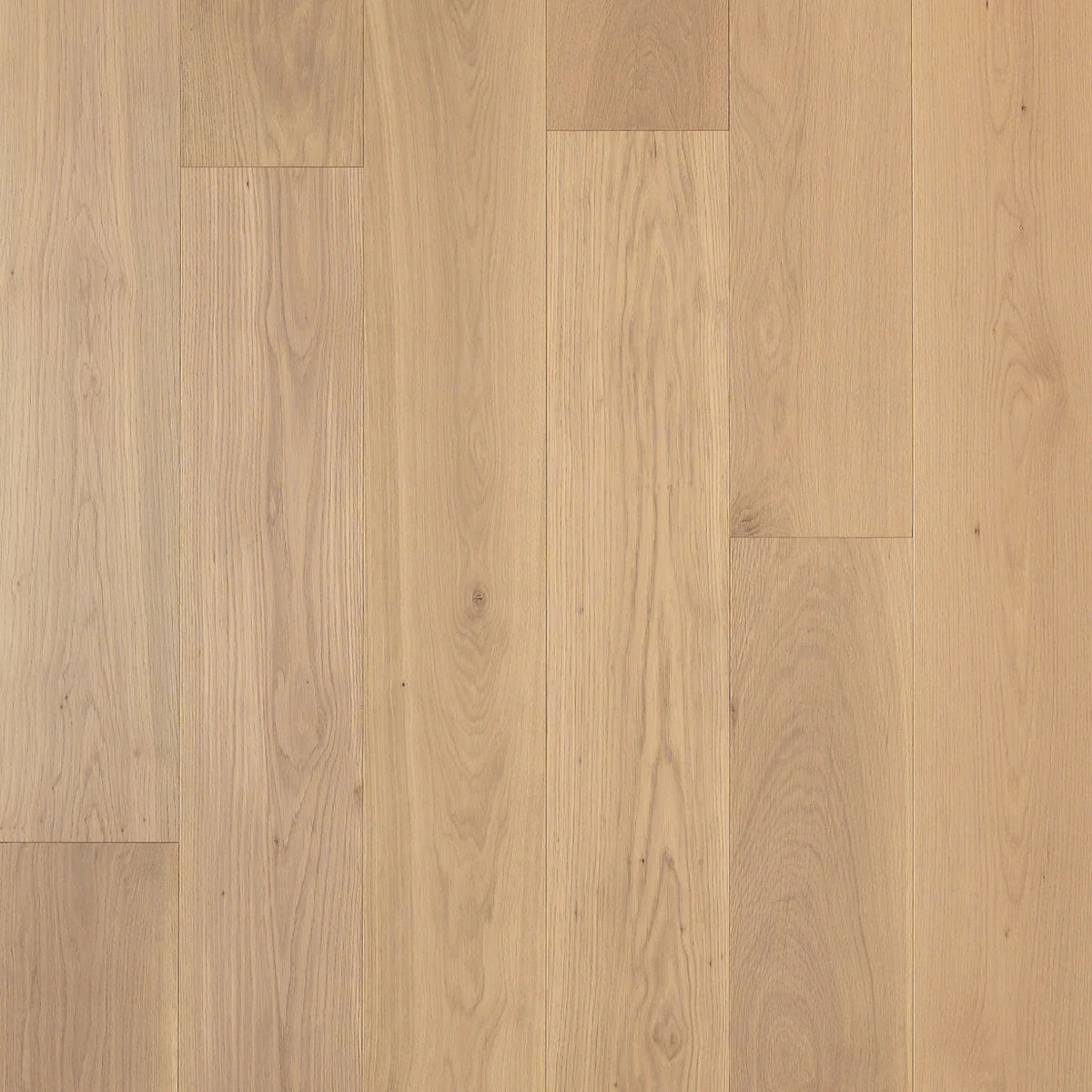
Shop Ironhold prefinished engineered hardwood at $7.29 per square foot. Compare specifications, pallet coverage, and delivery terms.
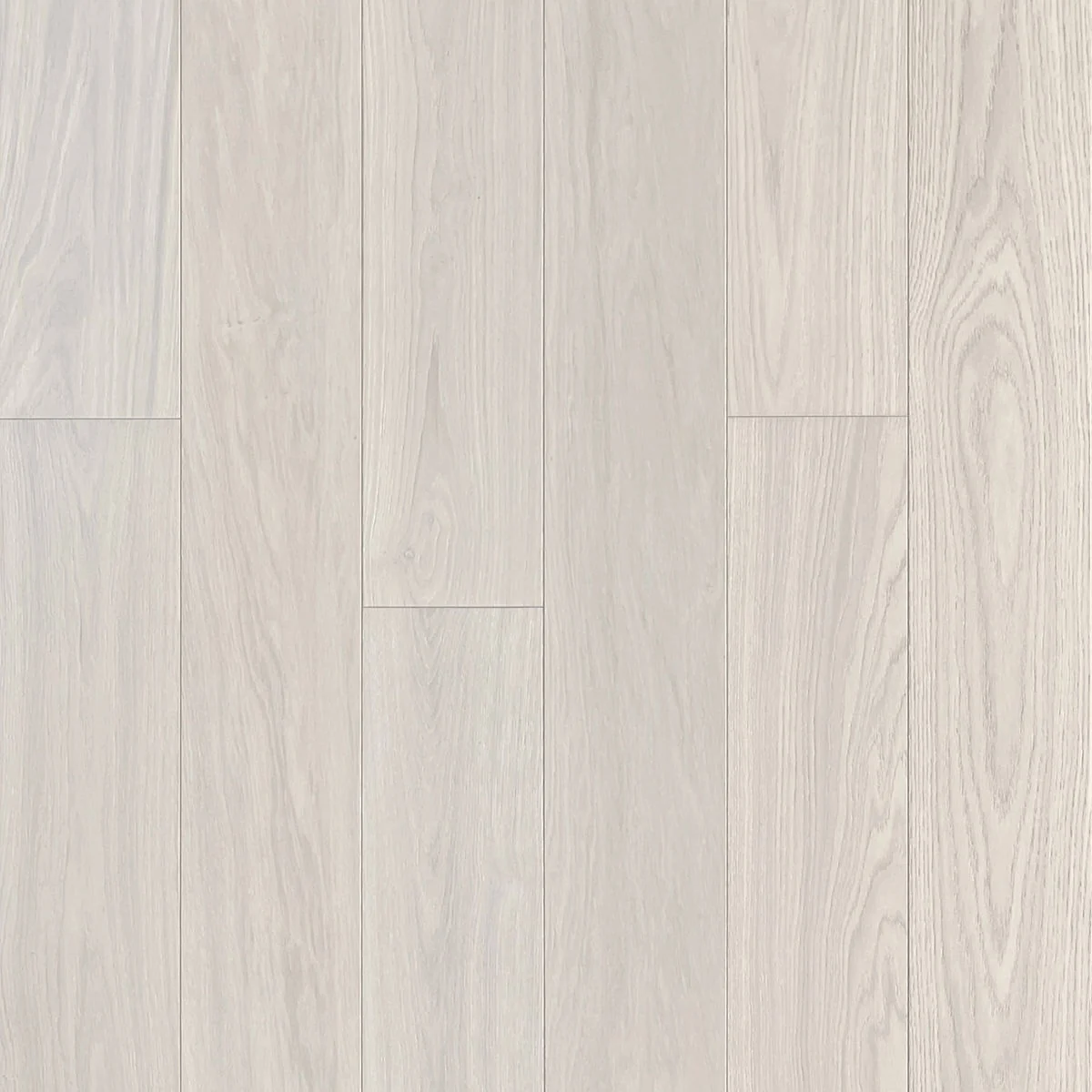
Shop Winterfield prefinished engineered hardwood at $7.29 per square foot. Compare specifications, pallet coverage, and delivery terms.
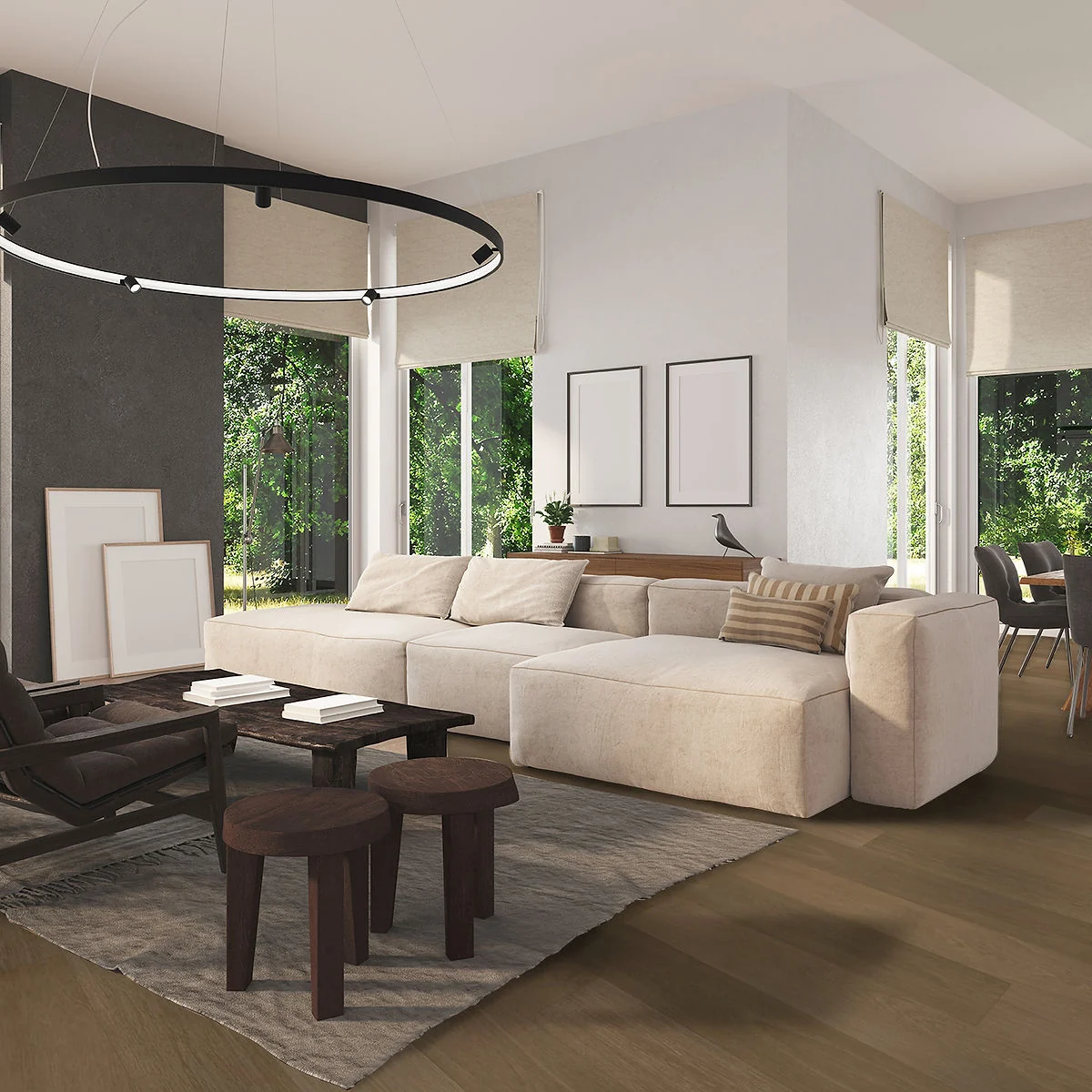
Shop Falcon-Keep prefinished engineered hardwood at $7.29 per square foot. Compare specifications, pallet coverage, and delivery terms.
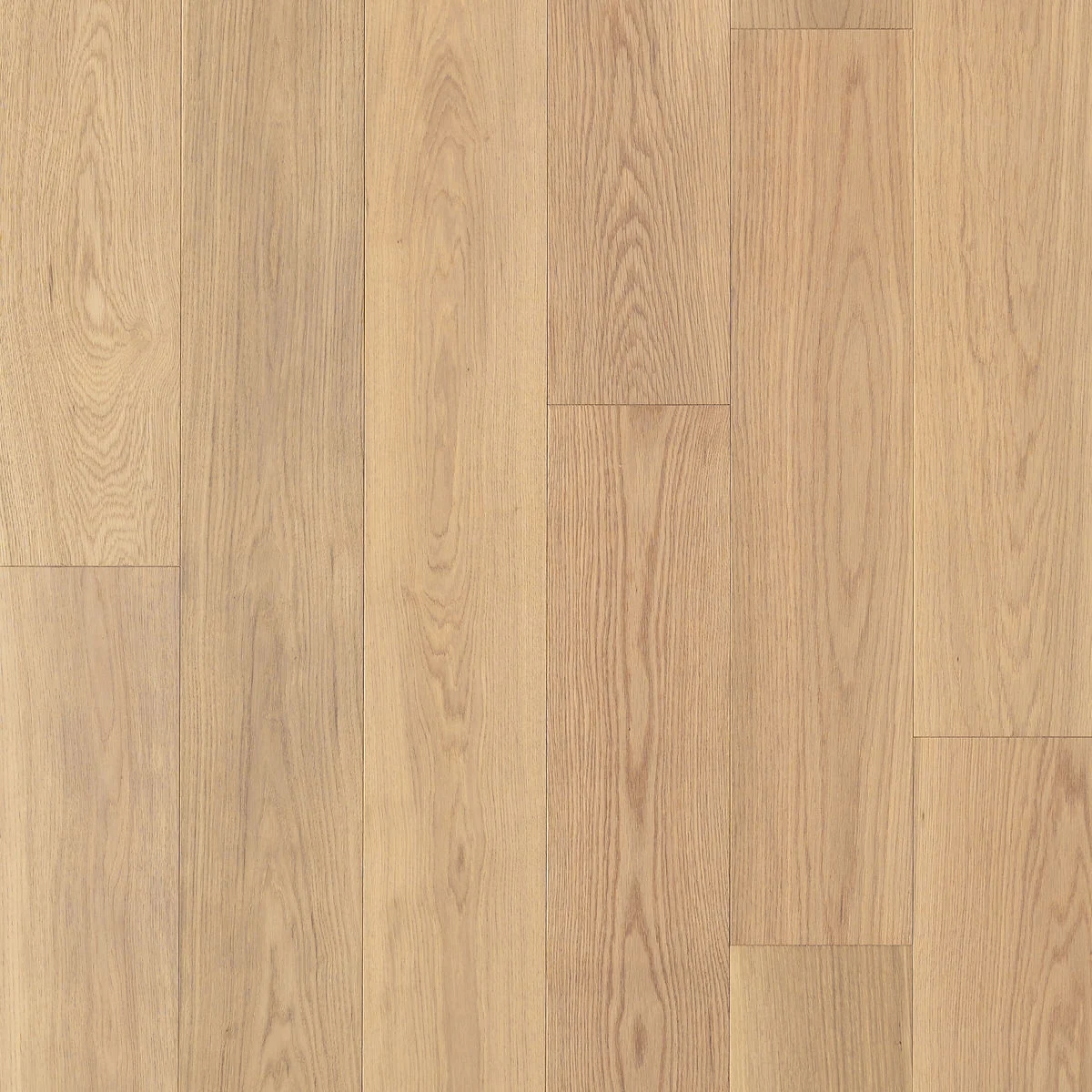
Shop Ironhold-S prefinished engineered hardwood at $6.99 per square foot. Compare specifications, pallet coverage, and delivery terms.
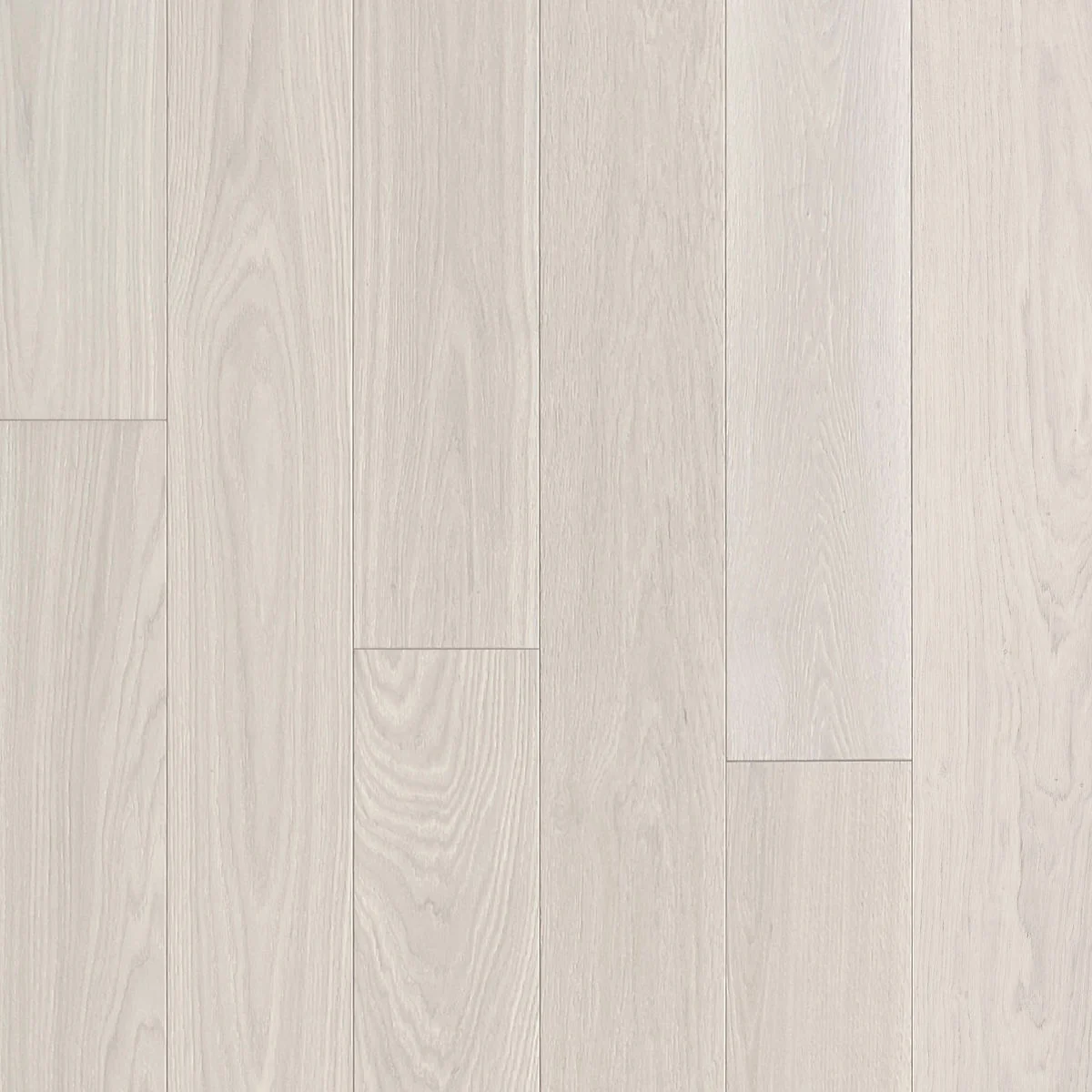
Shop Winterfield-S prefinished engineered hardwood at $6.99 per square foot. Compare specifications, pallet coverage, and delivery terms.
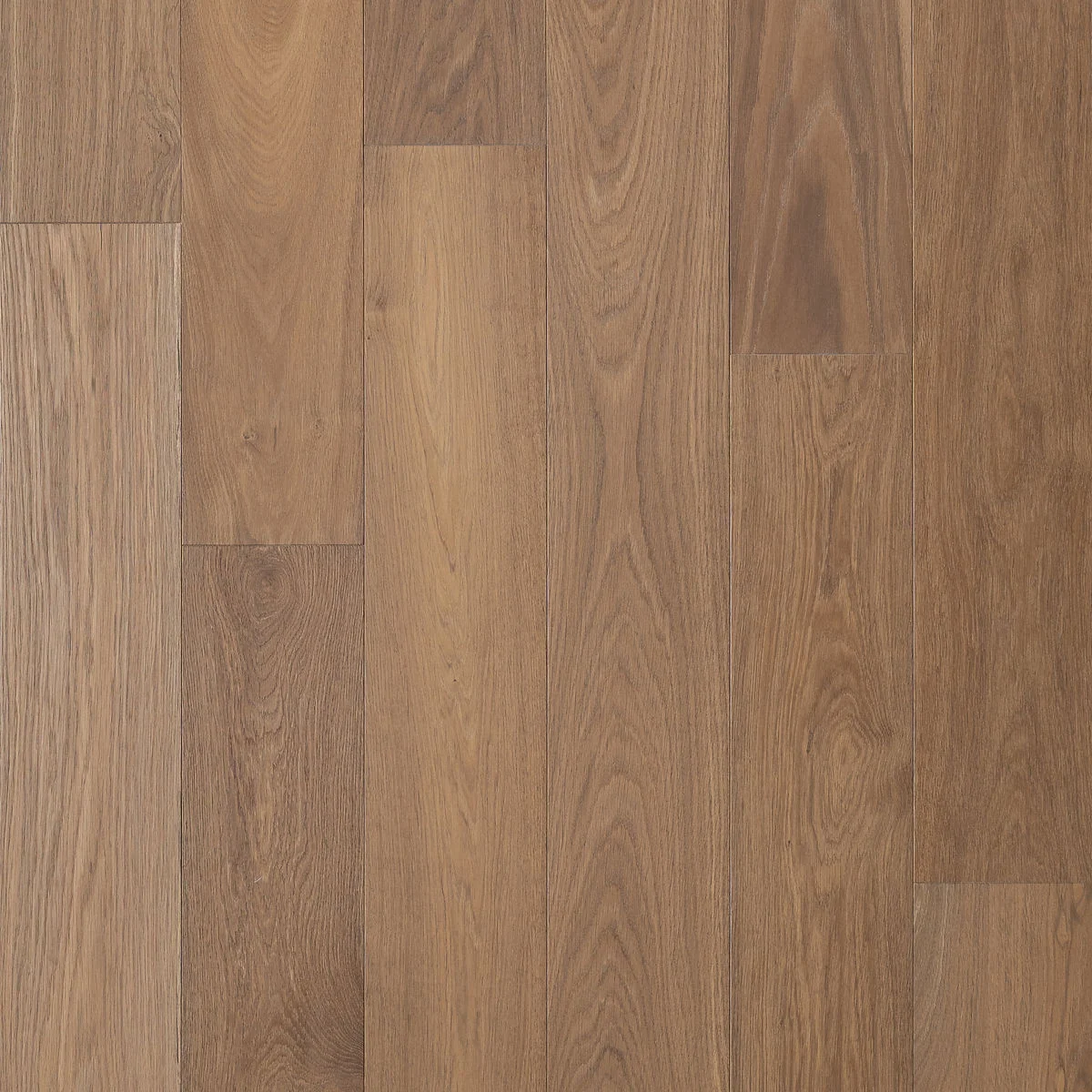
Shop Ravenwood-S prefinished engineered hardwood at $6.99 per square foot. Compare specifications, pallet coverage, and delivery terms.
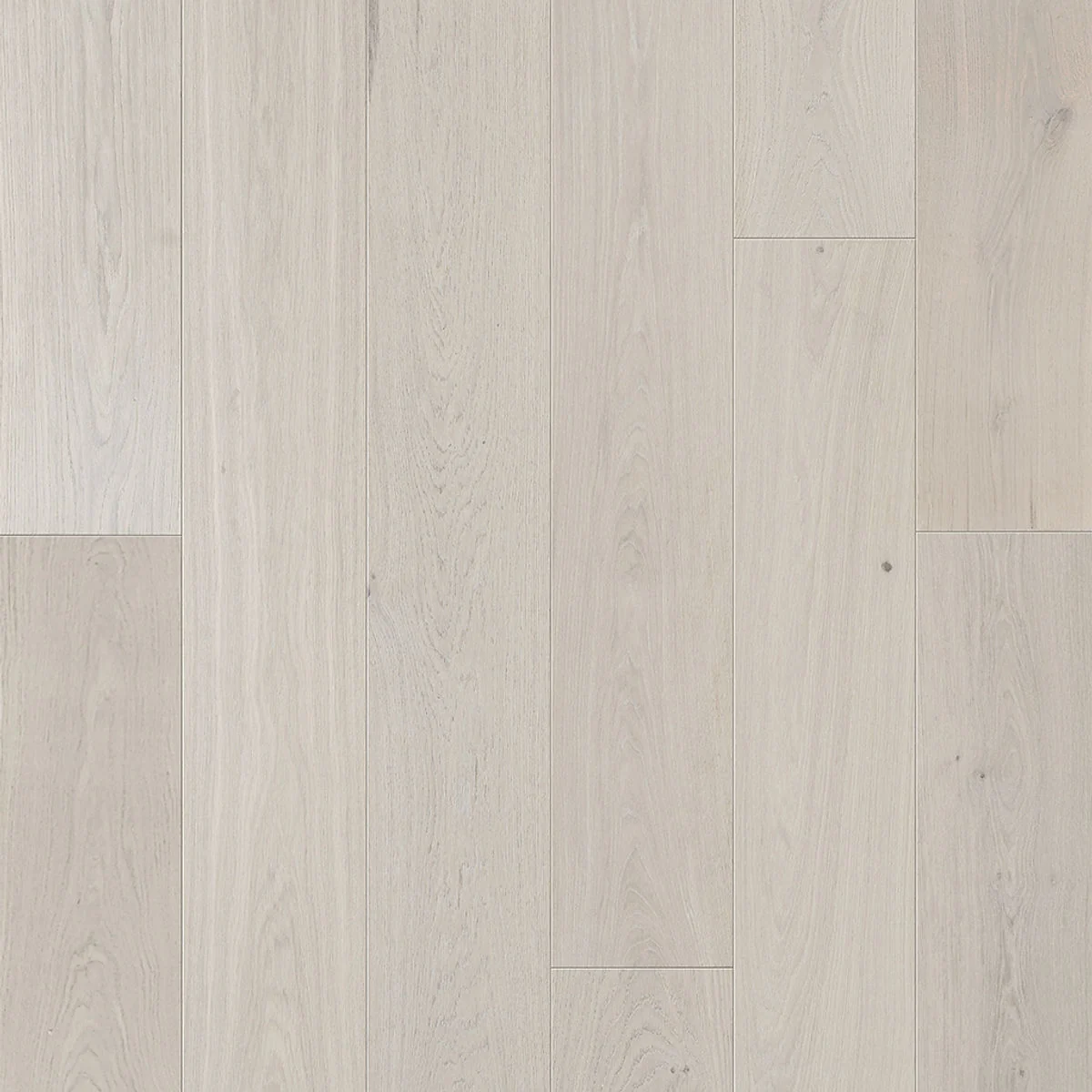
Shop Stonehaven prefinished engineered hardwood at $6.79 per square foot. Compare specifications, pallet coverage, and delivery terms.
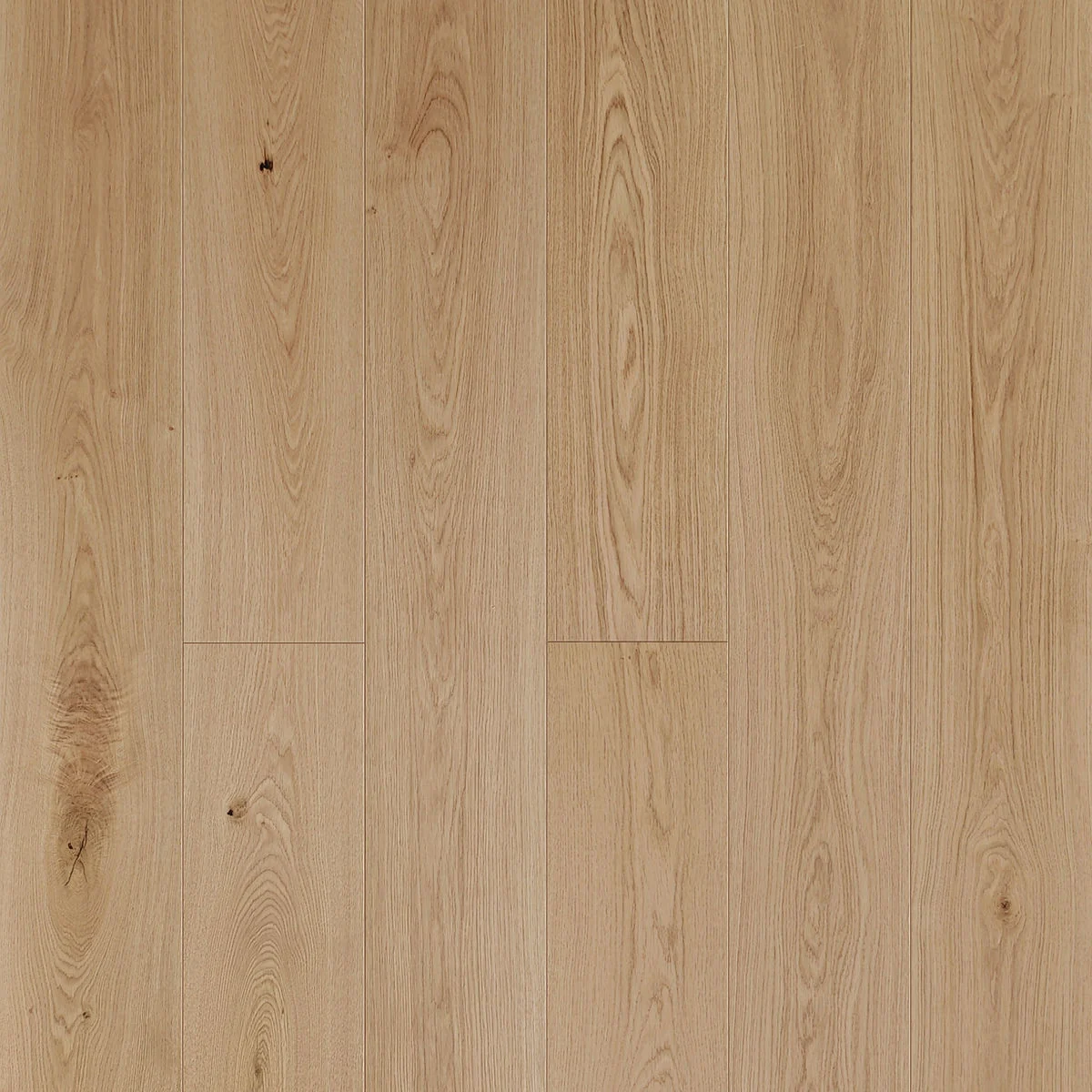
Shop Dragonridge prefinished engineered hardwood at $6.79 per square foot. Compare specifications, pallet coverage, and delivery terms.
Set the tone for the whole room
The living room often connects the largest continuous areas of a home. A wood floor can give those spaces a shared foundation, with grain and color that feel consistent beneath different furniture groupings. Before choosing a board, look at the longest sightline, the direction of the daylight, and any fixed features such as a fireplace or a broad doorway. The floor should support the room's architecture without needing to compete with it.
Long straight planks create a different rhythm from herringbone or chevron. A cleaner grain mix can help a layered room feel quieter, while more character can add depth to a restrained palette. Neither choice is inherently better; samples viewed beside your own furniture and wall finishes are more useful than an isolated color name.
Plan the transitions and the assembly
Record the subfloor and the height of adjacent materials before selecting solid or engineered construction. The installed assembly includes more than the board itself. Underlayment, adhesive, and preparation can affect transitions at tile, stairs, and exterior doors. Have the installer confirm the planned assembly and moisture conditions before committing to a specification.
For an open-plan space, ask whether the flooring can continue as designed or whether a movement joint or transition is required. A room photograph cannot answer that question. The product's installation instructions and the actual site conditions must guide the detail.
Keep the finish ready for daily use
Furniture pads, sensible entry protection, and regular removal of abrasive grit help protect a hardwood surface. Choose cleaning products for the exact coating, and address spills promptly. If you will use area rugs, check that the backing and any pads are compatible with the finish. Keep a record of the approved product and coating for later maintenance or repairs.
Should boards run toward the main window?
That can be an attractive design choice, but joist direction, product requirements, and room connections also matter. Confirm the layout with your installer.
Is engineered wood suitable for a living room?
It can be, when the exact product and assembly are approved for the subfloor and site conditions.
How do I choose light or dark wood?
View samples beside your furniture, wall paint, and rugs throughout the day. Consider how the room's lighting changes the apparent tone.
Can I continue the floor into a hallway?
Plan the transition or continuous run with the installer, following the product's movement and installation requirements.
Will an area rug protect the finish?
It can reduce wear in a defined area, but use a backing and pad approved for the coating and keep trapped grit out.
Does wider plank mean a more durable floor?
No. Width is a dimensional and visual choice. Construction, coating, installation, and care determine other aspects of performance.
What should I measure before getting a quote?
Measure the full area, including connected sections, and record doorways, stairs, thresholds, and any layout features that change cutting requirements.